Author

admin

Browsing

Swimming is a fantastic way to stay fit and healthy, but dealing with water up your nose can dampen the experience. Thankfully, a simple solution exists—nose clips for swimming. This guide explores everything you need to know about nose clips, including their benefits, how to choose the right one, and how to use them effectively to enhance your swimming sessions.

What Are Nose Clips for Swimming?

Nose clips are small devices designed to seal your nostrils from water during swimming. They are typically made from flexible materials such as silicone or plastic, which ensure comfort and durability.

Benefits of Using Nose Clips in Swimming

  1. Protection Against Water Entry: Nose clips keep water out of your nasal passages, preventing discomfort and potential sinus infections.
  1. Improved Breathing Control: By blocking water entry, nose clips help you breathe more comfortably and focus on your swimming technique without interruptions.
  1. Increased Comfort: Particularly beneficial for swimmers who are sensitive to water in their noses or those who suffer from allergies, enhancing the overall swimming experience.

How to Use Nose Clips Effectively

Using a nose clip properly can significantly improve its effectiveness:

  • Choosing the Right Fit: Select a nose clip that fits snugly but comfortably across your nostrils. There are various sizes available to accommodate different nose shapes.
  • Preparing to Wear: Lightly moisten your nose to help the clip stay in place.
  • Positioning the Clip: Place the clip gently across your nostrils. Ensure it feels secure without being too tight to avoid discomfort.
  • Adjustments: If the clip feels too loose or tight, adjust it until you find the right fit that feels comfortable and secure.
  • Removing the Clip: To remove the clip, gently lift it off your nose without tugging or pulling.

Top Recommended Nose Clips for Swimmers
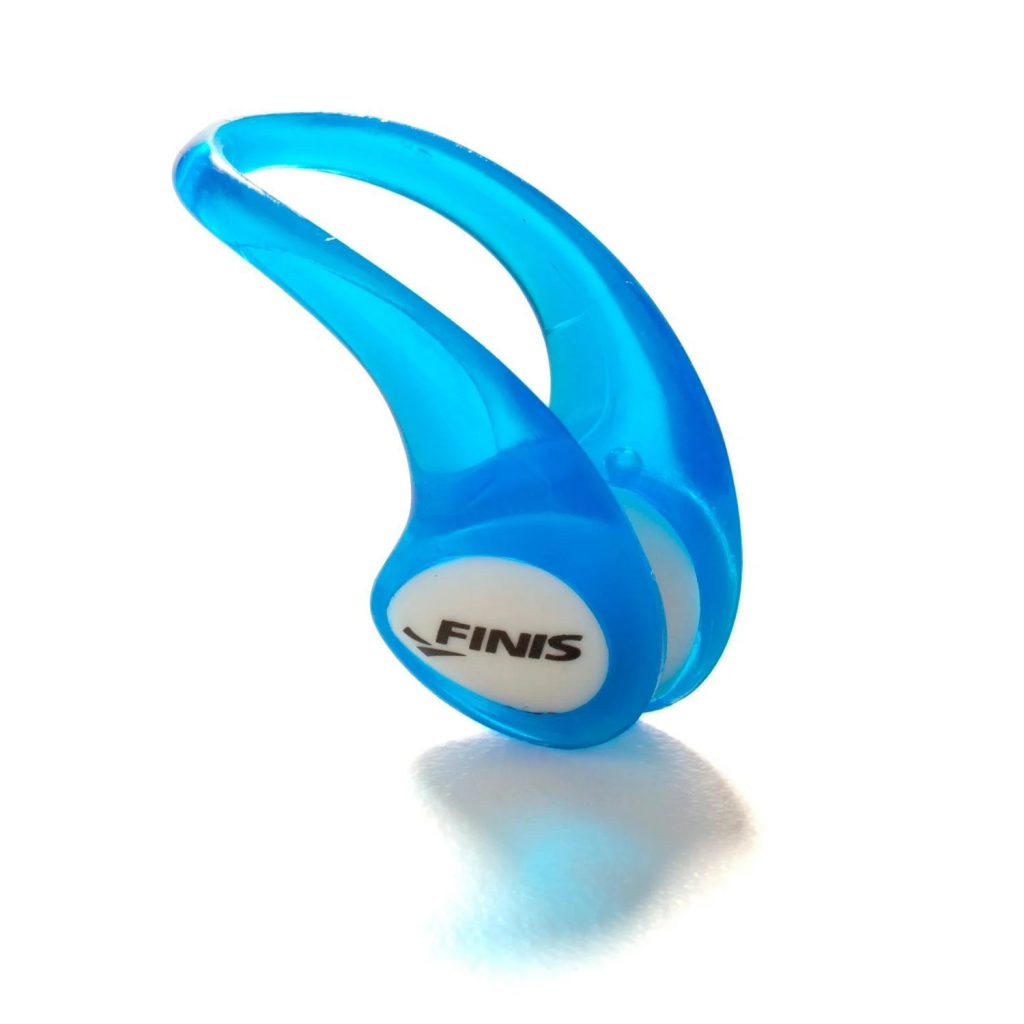
Here are some of the best nose clips available on the market, known for their reliability and comfort:

  • Speedo Competition Nose Clip:
  • Made from soft silicone, this clip features a low-profile design for minimal visibility and maximum comfort.
  • Arena Nose Clip Pro:
  • Constructed from soft plastic, this clip is easy to use and offers a secure fit for prolonged use.
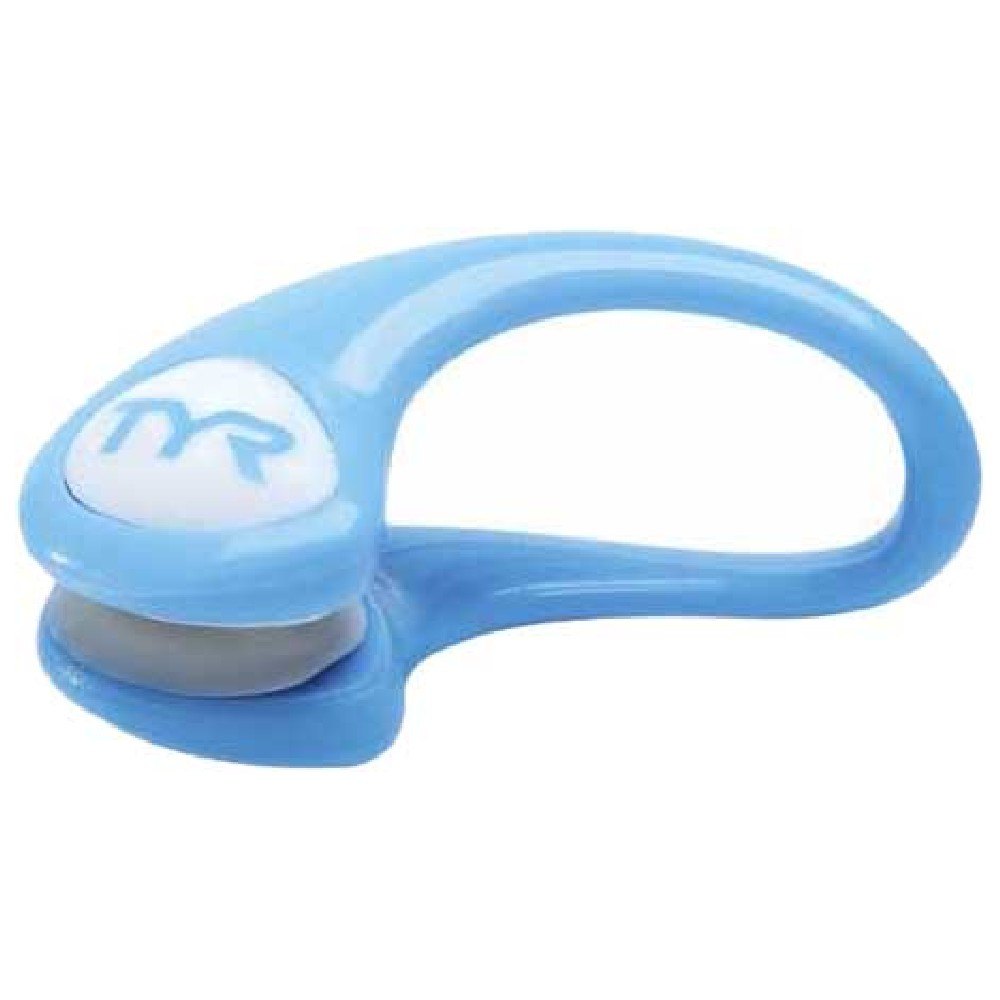
  • TYR Nose Clip:
  • Known for its lightweight and flexible design, this clip fits comfortably and securely on a variety of nose types.
  • FINIS Nose Clip:
  • This clip is designed for ease of use, featuring soft silicone and a snug fit to prevent water from entering the nostrils.

Selecting the Ideal Nose Clip

When choosing a nose clip, consider the following factors to find one that best suits your needs:

  • Material: Opt for silicone or plastic based on your comfort preference and skin sensitivity.
  • Size and Fit: Make sure the clip fits well; it should not be too tight or too loose.
  • Ease of Use: Look for clips that are easy to put on and take off.
  • Durability: Choose a well-made clip that will withstand frequent use in chlorinated water.

In Closing

Nose clips are invaluable tools for any swimmer looking to avoid the annoyance of water entering their nasal passages. By selecting the right nose clip and mastering its use, you can significantly improve your swimming experience, allowing you to focus on your strokes and endurance without any nasal discomfort.

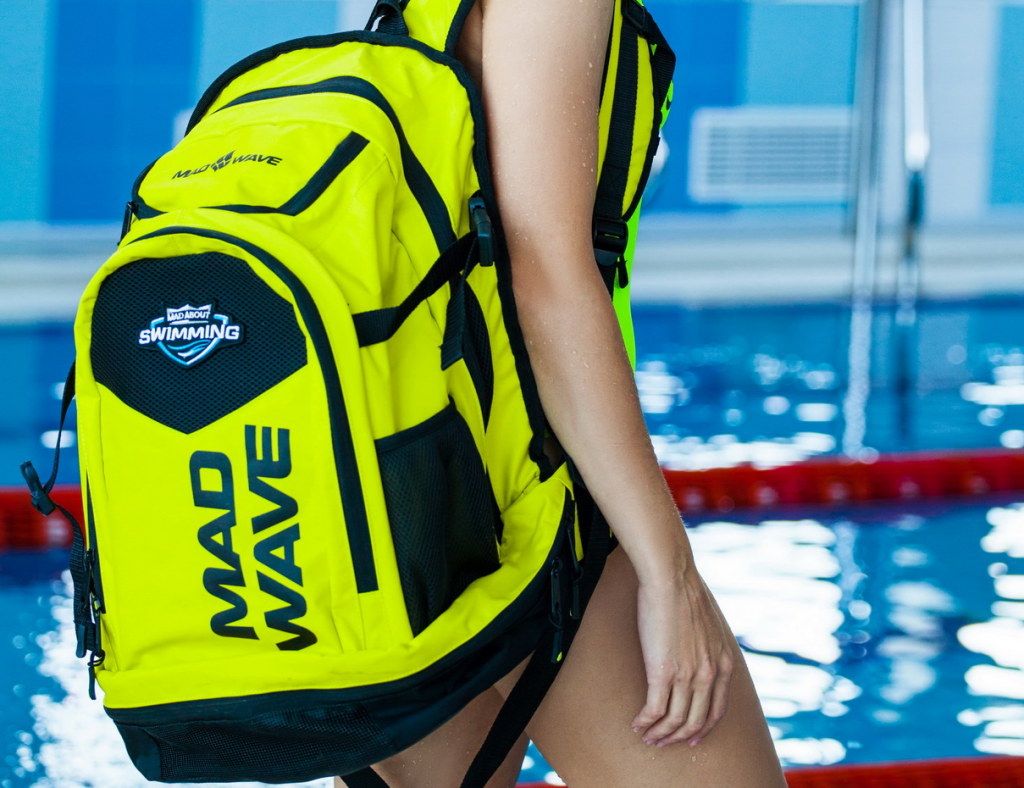
For swimmers, the swim bag is much more than a carryall: it’s the mobile home for all your essential gear. Whether you’re hitting the pool for a casual swim or gearing up for competitive meets, selecting the right swim bag can make all the difference. This guide will walk you through the various types of swim bags, key features to consider, and some of the top choices on the market today, ensuring you find a bag that meets all your aquatic needs.

Types of Swim Bags

Swim bags are designed to cater to different preferences and requirements. Understanding the options available can help you make a more informed choice:

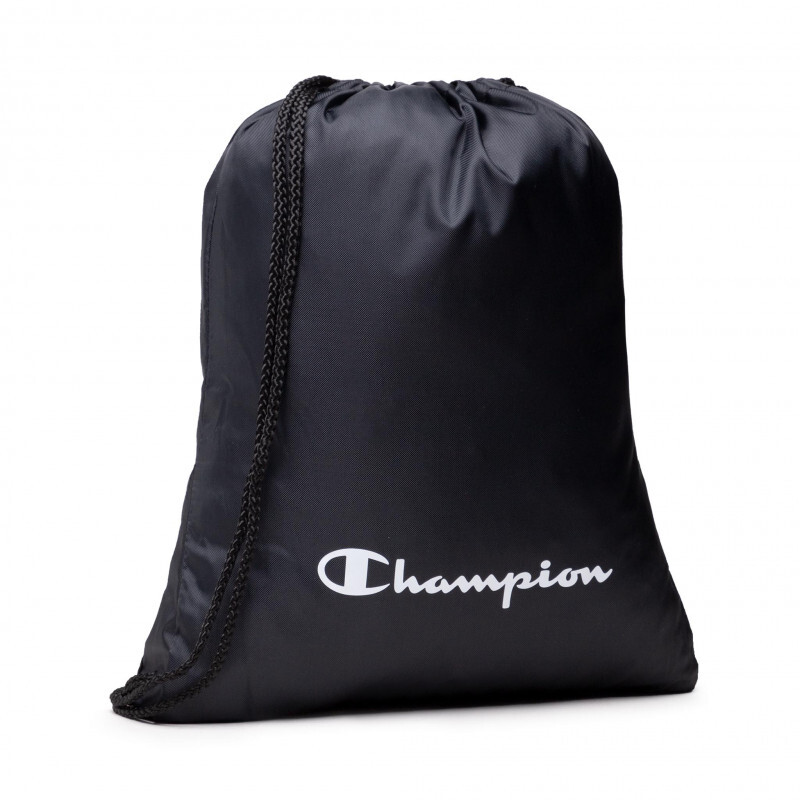
  • Backpacks:
    • Popular Choice Among Swimmers: Offers hands-free convenience which is perfect for cyclists or public transport commuters.
    • Features: Multiple compartments including specialized sections for wet and dry gear, making organization a breeze.
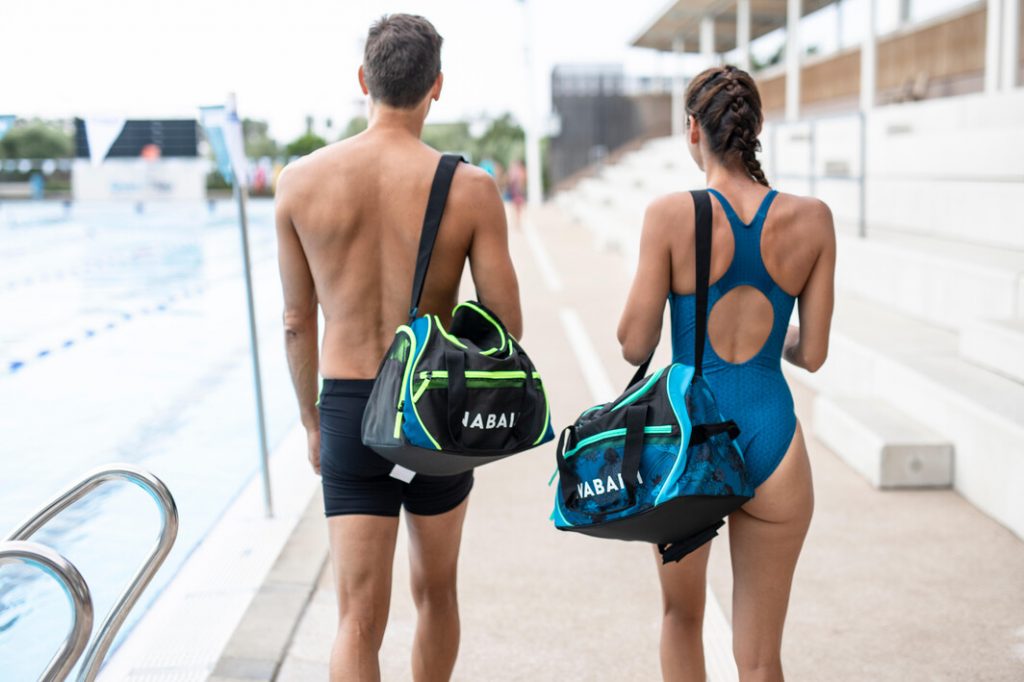
  • Duffel Bags:
    • Spacious Design: Ideal for swimmers who need to carry bulky equipment like fins, boards, and even wetsuits.
    • Durability: Made from sturdy materials, these bags provide easy access to a large central compartment.
  • Mesh Bags:
    • Lightweight and Portable: Best for those who carry fewer items and need a bag that dries quickly, preventing mold and odor.
    • Quick Drying: Mesh material allows for airflow, speeding up the drying process of wet swimwear and towels.
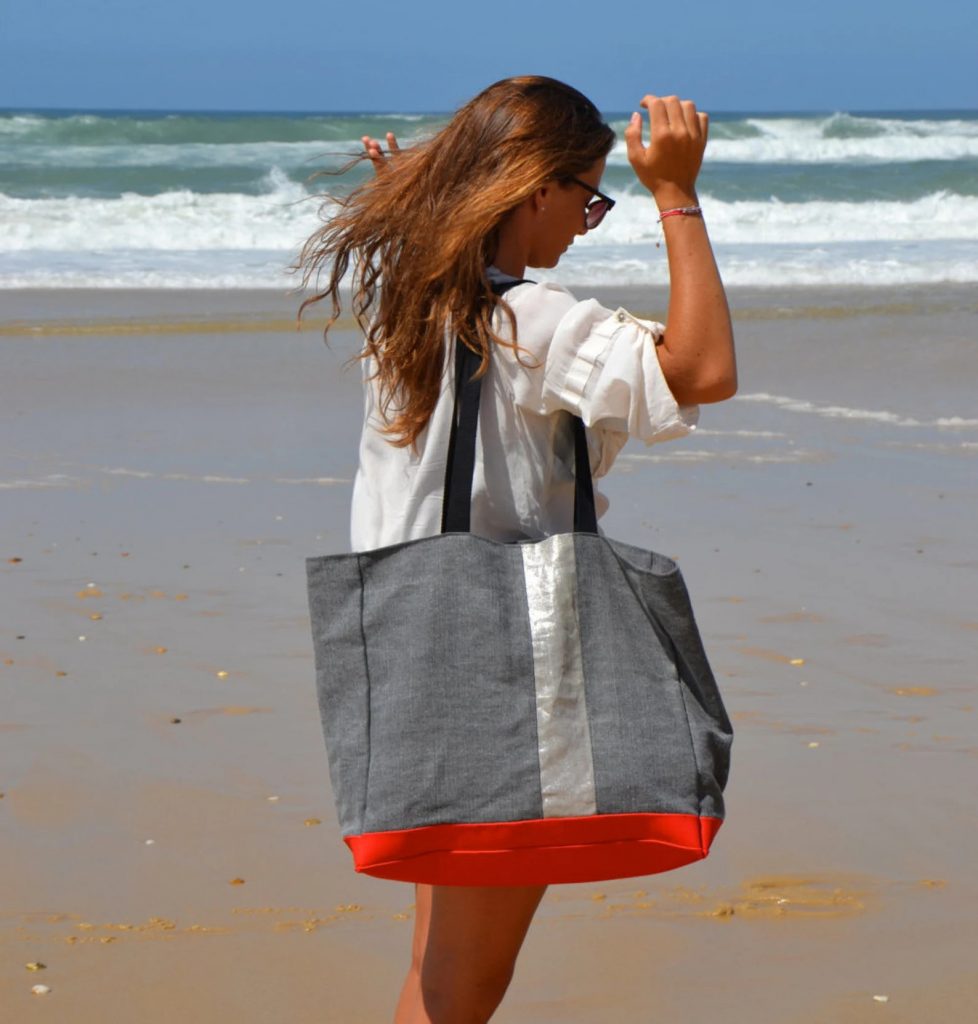
  • Tote Bags:
    • Stylish and Functional: A great alternative for those who prefer a more fashionable look.
    • Material and Design: Typically made from durable canvas, featuring a large central compartment with additional pockets for small items.

Key Features to Consider When Selecting a Swim Bag

Choosing the right swim bag involves more than picking a style. Here are essential features to keep in mind:

  • Size and Capacity:
    • Consider how much gear you usually carry. Swimmers with more equipment might opt for larger duffel bags, while those with less might prefer a mesh or tote bag.
  • Material:
    • Look for durable, water-resistant materials like nylon or polyester to protect your gear from wet environments and frequent use.
  • Compartments and Pockets:
    • A well-organized bag with multiple sections can save time and frustration, keeping wet gear separate from dry items.
  • Straps:
    • Comfort is crucial. Padded, adjustable straps can make even a heavily loaded bag easier to carry.

Top Swim Bags on the Market

To help narrow down your choices, here are some top swim bags that are favored for their functionality and durability:

  • Speedo Large Teamster Backpack:
    • Features: Robust main compartment, multiple pockets for organization, and a special section for wet gear.
    • Material: Constructed from high-quality, water-resistant fabric.
  • TYR Alliance 45L Backpack:
    • Design: Spacious with several organizational pockets and adjustable, comfortable straps.
    • Material: Features waterproof fabric to ensure all contents stay dry.
  • Nike Swim Large Duffel Bag:
    • Capacity: Generous main compartment with additional pockets for miscellaneous items.
    • Extras: Comes with an adjustable shoulder strap and padded handles; includes a ventilated section for wet items.
  • TYR Big Mesh Mummy Backpack:
    • Ideal for: Those looking for a lightweight option that can still accommodate a substantial amount of gear.
    • Design: Features mesh construction for quick drying, with multiple compartments and easy-to-carry backpack straps.
  • Speedo Ventilator Mesh Equipment Bag:
    • Choice for Simplicity: Offers a large main compartment with an extra pocket for accessories.
    • Convenience: Includes a shoulder strap and padded handles; made with a durable, water-resistant base.

Choosing Your Ideal Swim Bag

When selecting your swim bag, weigh your specific needs against the features each type offers:

  • Consider your routine: Do you need to pack electronics or valuables that require a waterproof compartment?
  • Assess the gear: More gear necessitates more space and better organization.
  • Think about your travel needs: If you walk or bike to the pool, a backpack might be more practical than a duffel bag.

The Bottom Line

A well-chosen swim bag not only holds all your swimming essentials but also makes accessing and transporting them more convenient. By considering the type of swimmer you are and the amount of gear you need to carry, you can select a swim bag that enhances your swimming routine and keeps your equipment in top condition.

Water safety is vital for families, especially with young children. It’s not only about learning how to swim but also about recognizing risks and responding effectively to emergencies. Here’s how you can teach your children to respect the water while leading by example.

Preparation for Water Safety

Education is the foundation of water safety. Parents should:

  • Learn About Hazards: Understand potential dangers in different water bodies and how to identify them.
  • Learn Rescue Techniques: Take basic first aid and rescue courses, including CPR.
  • Teach Your Children: Pass this knowledge on to your kids, ensuring they understand safety rules and can recognize hazards.

Water Safety for Different Ages

Children Aged 0-3:

  • Never leave them unattended around water, even for a moment.
  • Introduce water play in shallow baby pools with constant supervision within arm’s reach.

Children Aged 4-7:

  • Encourage swimming lessons while reinforcing safety rules like never going near water without an adult.
  • Watch out for overconfidence as kids in this age group may overestimate their abilities.

Families with Multiple Young Children:

  • Ensure one adult supervises each child at all times.
  • If possible, bring extra adults to water areas.

Safety in Different Water Bodies

  • Oceans: Teach kids about tides and currents.
  • Rivers: Inform them about undercurrents.
  • Pools: Discuss slippery edges and pool drains.

Common Dangers and Responses

  • Currents: Stay calm if caught in one; swim parallel to shore to escape.
  • Pool Drains: Ensure children avoid drains and never swim alone.
  • Slipping/Falling: Wear non-slip footwear around pools and docks.

First Aid for Water Accidents

  • Training: Parents should know CPR and first aid.
  • Action Plan: Get the child out of the water quickly, check for breathing, perform CPR if necessary, and call emergency services.

Learning to Swim

  • Kids are typically ready for formal swimming lessons at age 4.
  • Choose a school that emphasizes safety and hires qualified instructors.

Water Safety Rules

  • Swim with a buddy.
  • Avoid diving into shallow water.
  • Always enter unknown water feet first.

The Importance of Supervision

  • Even skilled swimmers need constant, active supervision.
  • Drowning can happen quietly and within moments.

Frequently Asked Questions (FAQs):

Q: What’s the Most Common Pool Water Danger?
A: Drowning is the primary pool hazard. Supervision is essential as it happens quickly and quietly.

Q: How Can I Ensure Pool Safety?
A: Install fences and pool alarms, supervise children, establish rules, and provide life jackets.

Q: What Are Beach Safety Precautions?
A: Stick to designated swimming zones and never swim alone. Watch for rip currents and turbulent waves. Always supervise kids.

Q: What’s the Main Beach Water Danger?
A: Rip currents. If caught in one, swim parallel to shore until you’re free, then swim back.

When the sun is blazing and temperatures soar in the Southern regions, it’s natural to want to enjoy the great outdoors with your children. However, it’s crucial to be aware of the risks of excessive sun exposure. The sun’s ultraviolet (UV) rays can harm your child’s skin, potentially leading to sunburn, damage, and even skin cancer. With kids having more delicate skin than adults, protecting them from the sun becomes paramount. Follow these essential tips to safeguard your children and ensure a fun-filled, safe summer!

1. Cover Up

Shielding Kids Effectively:

  • Dress your children in protective clothing that covers their arms and legs.
  • Top it off with a wide-brimmed hat to shade their face, neck, and ears.
  • Choose tightly woven fabrics for optimal protection.
  • Protect their eyes with 100% UV-protective sunglasses.

2. Sunscreen Savior

Apply Generously and Frequently:

  • Use sunscreen with SPF 30 or higher on all exposed skin.
  • Apply even on overcast days, as clouds don’t block UV rays.
  • Reapply every two hours, or more often if swimming or sweating.

3. Seek Shade Sanctuary

Find Natural Hideouts:

  • Look for shady spots under trees, or bring along a portable umbrella or canopy.
  • Stay out of the sun between 10 a.m. and 4 p.m., when UV rays are at their strongest.

4. Ready for Anything

Sun Safety Arsenal:

  • Keep extra sunscreen, hats, and sunglasses on hand for quick reapplication.
  • Pack plenty of water and snacks to keep your children hydrated and energized.

5. Beware of the Sun’s Echo

Watch for Reflective Surfaces:

  • Reflective surfaces like water, sand, and concrete can intensify UV exposure.
  • Add extra sunscreen and seek shade when near these surfaces.

6. Be the Sun Safety Superhero

Lead by Example:

  • Wear protective clothing, hats, sunglasses, and sunscreen yourself.
  • Seek shade regularly and teach kids the importance of sun safety.

7. Vigilance is Key

Monitor for Symptoms:

  • Watch for signs of sunburn or heatstroke: redness, nausea, discomfort, or dizziness.
  • Move to a shady area and offer water and cool compresses if symptoms appear.
  • Seek medical attention if symptoms worsen.

Frequently Asked Questions (FAQs):

How Can I Explain Sun Safety to Kids?

Compare the sun’s rays to something that can burn, like touching a hot stove. Emphasize the importance of wearing protective gear.

What’s the Best Sun Protection Strategy?

Combine protective clothing, hats, sunglasses, sunscreen, and shade.

What Is Sunstroke?

Sunstroke, or heatstroke, is when the body overheats due to prolonged exposure. Symptoms include high body temperature, nausea, and confusion.

What If My Child Suffers from Sunstroke?

Move them to a cool area, provide fluids, and apply a damp cloth. Seek medical attention if symptoms persist.

Can Too Much Sun Exposure Make a Child Sick?

Yes. It can cause sunburn, heat exhaustion, heatstroke, and dehydration.

Are you ready to take summer fun to a whole new level with thrilling water games for kids? Get your backyard prepped with these action-packed water activities that guarantee laughter and joy all season long. Whether it’s splashing, racing, or sliding, these creative games come with step-by-step instructions so parents can easily organize and supervise.

1. Water Balloon Dodgeball

Overview: Turn your backyard into a lively battleground with this twist on the classic dodgeball game. Water Balloon Dodgeball promises endless fun with splashes and giggles.

How to Play:

  • Divide into Teams: Split the kids into two balanced teams, mixing up ages and skills.
  • Fill Water Balloons: Load up on water balloons, ensuring there’s enough for plenty of rounds.
  • Set the Rules: Outline a boundary and emphasize safe play and good sportsmanship.
  • Start the Frenzy: Players aim to tag opponents with water balloons while dodging incoming splashes.
  • Declare the Winners: The team with the most successful hits wins!

2. Sponge Relay Race

Overview: The Sponge Relay Race is an exhilarating team game where speed and coordination are crucial.

How to Play:

  • Team Formation: Divide the kids into teams, ensuring equal distribution of abilities.
  • Prepare Wet Sponges: Hand each team a wet sponge and mark the starting and finishing lines.
  • Pass the Sponge: The team members relay the sponge from one player to the next, reaching the end of the line.
  • Fastest Team Wins: The team that completes the relay first wins.

3. Water Limbo

Overview: A playful twist on the classic limbo game, Water Limbo challenges kids’ flexibility and agility with an aquatic twist.

How to Play:

  • Set Up the Limbo Line: Use a hose or sprinkler to create an adjustable limbo line.
  • Line Up Participants: Organize the kids so they’re ready to limbo under the water.
  • Limbo Time: Each participant bends backward to pass under the line without getting wet.
  • Lower the Limbo Line: Gradually lower the line to increase the difficulty.
  • Crown the Champion: The last person to limbo under the lowest water line is crowned champion.

4. Slip and Slide

Overview: Create a slick and slippery backyard adventure with the Slip and Slide game, promising laughter and fast-paced sliding fun.

How to Play:

  • Create the Slide: Lay down a tarp or plastic sheet on a sloped surface.
  • Add Water and Soap: Keep the surface wet with water and add soap for extra slipperiness.
  • Ready, Set, Slide: Take turns sliding down the slope for a thrilling, wet ride.
  • Rotate Players: Ensure every kid gets a chance to slide by rotating players.

5. Water Gun Fight

Overview: A timeless favorite, the Water Gun Fight turns a regular day into a wild, watery tag game.

How to Play:

  • Divide into Teams: Split into evenly balanced teams with an assortment of water guns.
  • Designate a Play Area: Choose a safe area free from hazards.
  • Soak Your Opponents: Players aim to soak the opposing team members.
  • Rotate Roles: Swap teams and roles to give everyone a shot at being the “soaker.”
  • Celebrate the Winners: The team with the fewest dry members loses!

Continue the Adventure:

Stay tuned for even more fun water games to make your backyard the ultimate destination for family fun!

As the summer sun heats up, finding a fun way to keep your family cool becomes a top priority. A kiddie pool is a great way to beat the heat and create summer memories in your backyard. Whether you need a pool for toddlers or one that can fit the whole family, this guide will help you find the perfect option.

Family enjoying summer and playing in pool

Key Factors to Consider When Choosing a Kiddie Pool

  1. Age and Size:
    • Toddler Pools: Small, shallow pools for kids aged 0-3.
    • Larger Pools: Deeper pools to accommodate older children and even adults.
  2. Materials: Hard Plastic vs. Inflatable Vinyl:
    • Hard Plastic: Durable and long-lasting but bulky and tricky to store.
    • Inflatable Vinyl: Lightweight and portable but more prone to punctures.
  3. Durability:
    • Look for reinforced seams and heavy-duty vinyl to withstand active play.
  4. Transportability:
    • If you need a pool you can easily move, consider lightweight inflatable models.
  5. Price:
    • Establish your budget before shopping, as prices can vary widely.
  6. Safety Features:
    • Non-slip bottoms, smooth edges, and secure valves are essential safety features.

Additional Factors to Consider

  1. Ease of Setup:
    • Some pools require inflation or assembly, while others are ready out of the box.
  2. Water Capacity:
    • Bigger pools need more water but offer ample play space.
  3. Shape:
    • From classic round shapes to fun animal or vehicle designs, consider what shape will best entertain your kids.
  4. Accessories:
    • Slides, sprinklers, and inflatable toys can add extra joy to pool time.
  5. Cleaning and Maintenance:
    • Look for built-in drain plugs and surfaces that are easy to clean.
  6. Water Capacity:
    • Consider the amount of water needed, especially if you’re in an area with water restrictions.

Unique Points to Consider

  1. Depth:
    • Ensure the depth is appropriate for your child’s age to reduce drowning risks.
  2. UV Protection:
    • Some pools offer canopies or shades for sun protection.
  3. Drainage:
    • Built-in drains can save you time and effort when emptying the pool.
  4. Multiple Chambers:
    • Pools with multiple air chambers prevent total deflation if punctured.
  5. Age Restrictions:
    • Always follow the manufacturer’s recommended age range for your child’s safety.
  6. Toys and Games:
    • Built-in games or toys can enhance the pool experience.
  7. Warranty:
    • A warranty can protect your investment, especially for higher-priced models.
  8. Environmental Impact:
    • Choose eco-friendly materials and models that don’t require excessive water.


Summer Fun Ensured: FAQs on Kiddie Pool Safety Answered

The sun is shining, and the kiddie pool beckons! Let your little ones revel in the joy of summertime cooling. But as a vigilant parent, safety is non-negotiable. In this comprehensive guide, we’re delving into the nitty-gritty of kiddie pool safety, addressing all your burning questions.

Supervision 101: The Key to Pool Safety

First and foremost, let’s talk supervision – the linchpin of kiddie pool safety. Vigilance is paramount; never leave your kids alone near the pool. Drowning is swift and silent. Even if you step away for a moment, ensure your child exits the pool and stays with you.

Setting the Stage: A Safe Pool Environment

Before the watery festivities begin, conduct a safety check. Ensure the area is free of potential hazards. Check for leaks or holes in the pool that could lead to unexpected deflation. Always follow setup instructions and place the pool on a level surface.

Crystal-Clear Waters: Maintaining Hygiene

Clean water is not just desirable; it’s non-negotiable. Utilize a pool net to keep it free of leaves and bugs. Regular water changes are a must to thwart bacterial growth. When filling, control water flow to prevent overflow.

Sunproofing Your Fun: Shielding from Harmful Rays

Sunburn has no place in kiddie pool adventures. Create shade with a canopy or umbrella. Apply high SPF sunscreen, remembering to reapply regularly, especially for those in and out of the pool.

Establishing Order: Rules for a Safe Splash

Rules aren’t meant to dampen the fun; they ensure it continues safely. No running, jumping, pushing, or dunking. Keep toys away when not in use to avoid tripping hazards.

FAQ: Unmasking Common Concerns

Q: Are kiddie pools safe for babies?
A: With supervision and proper water levels, yes. However, it’s generally advised not to place babies under six months in a pool.

Q: What dangers do kiddie pools pose?
A: Primarily drowning. Supervision is vital. Risks also include slips, sunburn, and dehydration.

Q: How can I keep my kiddie pool safe?
A: Always supervise, maintain clean water, set basic rules, check for leaks, and provide sun protection.

Q: What age is a kiddie pool for?
A: Generally, for children aged one to five. Follow manufacturer recommendations for age and weight limits.

Q: Can I teach my child to swim in a kiddie pool?
A: While not designed for formal lessons, use them to familiarize your child with water. Always be present and teach basic water safety skills.

Beyond the Backyard: Swim Lessons for Lifelong Safety

For comprehensive swimming lessons and vital water safety skills, consider enrolling your child in a swim school like Swimright Academy. Their experienced instructors cater to all ages and skill levels, ensuring your child becomes a confident and safe swimmer.

To Sum It Up: Splashes of Joy, Wrapped in Safety

Kiddie pools offer summer bliss, but safety is the lifeguard of the day. Always supervise, maintain clean water, sunproof, and set clear rules. Consider formal swim lessons for a well-rounded aquatic experience, equipping your child with indispensable water safety skills. Dive in and make every splash secure!