Author

admin

Browsing

Eye irritation is a common issue for children who swim frequently. Understanding the causes and implementing effective strategies can help mitigate discomfort and protect your child’s eyes.

Causes of Eye Irritation

Eye irritation from swimming is primarily caused by the chlorine and other chemicals used in pool water to maintain hygiene. These chemicals can strip away the natural tear film that protects the eyes, leading to redness, itching, and discomfort. Additionally, contaminants such as sweat, urine, and cosmetics can combine with chlorine to form irritants.

Preventive Measures

Wearing Swim Goggles

One of the most effective ways to prevent eye irritation is by wearing swim goggles. High-quality goggles create a seal around the eyes, protecting them from direct contact with pool water. Brands such as Speedo, Arena, and TYR offer goggles designed specifically for children, providing comfort and protection.

Rinsing Eyes with Fresh Water

Encourage your child to rinse their eyes with fresh water immediately after swimming. This helps remove any residual chlorine or contaminants that may cause irritation. Ensure they gently splash water into their eyes rather than rubbing them.

Taking Breaks

Taking regular breaks from the pool allows the eyes to rest and recover. During these breaks, ensure your child keeps their eyes away from direct sunlight, which can further irritate sensitive eyes.

Post-Swim Care

Using Eye Drops

Lubricating eye drops, also known as artificial tears, can help alleviate dryness and irritation caused by swimming. Look for preservative-free options to avoid additional irritation. Consult with your child’s pediatrician or an eye care professional for recommendations.

Cold Compresses

Applying a cold compress to the eyes can reduce redness and soothe irritation. Use a clean, damp cloth and place it gently over your child’s closed eyes for a few minutes.

When to Seek Medical Attention

While most cases of eye irritation from swimming are mild and resolve with simple care, it’s important to recognize when medical attention is necessary. If your child experiences severe pain, prolonged redness, swelling, or discharge, consult an eye care professional promptly.

Maintaining Pool Hygiene

Ensuring the pool is properly maintained can significantly reduce the risk of eye irritation. Parents can inquire about the pool’s maintenance routine and chemical levels. Pools with balanced pH and chlorine levels are less likely to cause eye discomfort.

Choosing the Right Swim Environment

Indoor vs. Outdoor Pools

Indoor pools tend to have higher levels of chloramines, compounds formed when chlorine reacts with organic matter. These can cause stronger eye irritation. Outdoor pools, with better ventilation and sunlight, can have lower concentrations of these irritants.

Saltwater Pools

Saltwater pools use salt to generate chlorine, often resulting in lower chlorine levels and fewer irritants. If possible, consider choosing a saltwater pool for swimming activities.

Education and Awareness

Teaching your child about the importance of eye care and the potential risks of pool water can empower them to take proactive steps. Simple habits like not rubbing their eyes and using goggles can make a significant difference.

Frequently Asked Questions

Can eye irritation from swimming cause long-term damage?

Most cases of eye irritation from swimming are temporary and do not cause long-term damage. However, repeated exposure without protection can lead to chronic issues. Using goggles and practicing good eye care can prevent long-term problems.

Are there any natural remedies for eye irritation?

Cold compresses and rinsing with fresh water are effective natural remedies. Avoid using any homemade eye drops or solutions without consulting a healthcare professional, as these can sometimes cause more harm than good.

How often should my child take breaks during swimming?

Encourage your child to take breaks every 30-60 minutes. This not only helps with eye irritation but also reduces the risk of other issues such as ear infections and skin dryness.

Are prescription goggles available for children with vision issues?

Yes, many brands offer prescription swim goggles for children. These provide the same protective benefits while correcting vision. Consult with your child’s eye care provider to get the right prescription goggles.

Can wearing contacts in the pool cause eye irritation?

Wearing contacts in the pool can increase the risk of eye irritation and infection. If your child needs vision correction while swimming, opt for prescription goggles instead.

Ensuring proper hygiene during swim lessons is crucial for maintaining both pool cleanliness and the skin health of your child. Here are the best practices that parents should follow.

Importance of Pool Hygiene

Maintaining pool hygiene is essential to prevent the spread of bacteria and other pathogens. Proper pool maintenance ensures a safe and enjoyable swimming environment for all children. Regular cleaning and chemical treatments help keep the water free of harmful contaminants.

Pre-Swim Hygiene Practices

Showering Before Swimming

Encouraging your child to shower before entering the pool is one of the most effective ways to maintain pool cleanliness. Showering helps remove sweat, dirt, and oils from the skin, reducing the risk of contaminating the pool water. This practice is often recommended by pool facilities and health organizations.

Using the Bathroom

Make sure your child uses the bathroom before getting into the pool. This reduces the likelihood of accidents in the water, which can compromise pool hygiene and require temporary pool closure for cleaning.

Removing Makeup and Lotions

If your child wears makeup or lotions, it’s important to remove these products before swimming. Makeup and lotions can wash off in the pool, contributing to water contamination and potentially affecting the pool’s chemical balance.

In-Pool Hygiene Practices

Avoiding Pool Water Ingestion

Teach your child not to swallow pool water. While pool water is treated with chemicals to kill bacteria, ingesting it can still pose health risks. Make sure your child knows the importance of keeping their mouth closed while swimming.

Taking Breaks

Encourage your child to take regular breaks during swim lessons. Taking breaks allows them to hydrate, use the bathroom if needed, and reduce prolonged exposure to pool chemicals, which can irritate the skin and eyes.

Post-Swim Hygiene Practices

Showering After Swimming

Showering after swimming is just as important as showering before. It helps rinse off chlorine and other pool chemicals that can cause skin irritation. Use mild soap and water to thoroughly clean the skin and hair.

Moisturizing the Skin

Chlorine and other pool chemicals can dry out the skin. After showering, apply a gentle moisturizer to your child’s skin to help retain moisture and prevent dryness and irritation. Choose a fragrance-free moisturizer to minimize the risk of allergic reactions.

Pool Maintenance Best Practices

Regular Water Testing

Pool facilities should regularly test the water to ensure proper chemical balance. This includes checking chlorine and pH levels to maintain a safe swimming environment. Parents can ask the facility about their testing frequency and results to stay informed about pool conditions.

Proper Filtration

Effective filtration systems are essential for maintaining clean pool water. Filters help remove debris and contaminants from the water, reducing the risk of bacterial growth. Pool facilities should regularly clean and maintain their filtration systems to ensure optimal performance.

Routine Cleaning

Regular cleaning of the pool area, including decks and changing rooms, helps prevent the spread of germs. Pool facilities should have a strict cleaning schedule to maintain a hygienic environment. Parents can contribute by ensuring their children follow hygiene practices and by reporting any cleanliness concerns to the facility staff.

Skin Health Tips for Swimmers

Choosing the Right Swimwear

Selecting swimwear made from high-quality, chlorine-resistant materials can help protect your child’s skin. Chlorine-resistant swimwear is designed to withstand the harsh effects of pool chemicals, reducing the risk of skin irritation.

Using Swim Caps and Goggles

Swim caps and goggles can provide additional protection for your child’s skin and eyes. Swim caps help keep hair dry and reduce exposure to pool chemicals, while goggles protect the eyes from irritation caused by chlorine.

Hydration

Keeping your child hydrated is important for overall health and skin wellness. Encourage your child to drink water before, during, and after swim lessons to stay hydrated and support skin health.

Making swimming lessons both fun and educational can enhance your child’s learning experience and foster a lifelong love for swimming. Here are some strategies to achieve this balance.

Engaging Games and Activities

Incorporating games into swimming lessons can make the learning process enjoyable. Simple games like “Simon Says” with swim commands, treasure hunts with pool toys, or races can keep kids engaged while teaching them important skills. These activities not only entertain but also reinforce techniques such as floating, kicking, and breath control.

Interactive Learning

Interactive learning methods such as storytelling and role-playing can turn swimming lessons into adventures. For example, pretending to be sea creatures or superheroes can make lessons more engaging. This approach helps children associate swimming with fun and creativity, enhancing their motivation to learn.

Use of Visual Aids

Visual aids like colorful kickboards, pool noodles, and swim rings can make lessons visually stimulating. These tools can also assist in teaching different skills. For instance, kickboards can help children focus on their leg movements while swim rings can be used for floating exercises.

Positive Reinforcement

Positive reinforcement through praise and rewards can boost a child’s confidence. Celebrating small achievements, such as completing a lap or mastering a new skill, encourages continued effort and improvement. Stickers, certificates, or extra playtime in the pool are simple rewards that can make a big difference.

Group Lessons

Group lessons can provide a social aspect to swimming, making it more enjoyable for children. Learning alongside peers allows for social interaction and friendly competition, which can motivate kids to participate actively and improve their skills. Group dynamics also foster a sense of teamwork and cooperation.

Incorporate Educational Elements

Integrating educational content into swimming lessons can enhance cognitive development. Teaching children about water safety, the basics of buoyancy, and the importance of exercise can provide valuable knowledge. Discussions about marine life or the science behind swimming can also make lessons intellectually stimulating.

Tailored Approach

Each child has unique learning preferences and paces. Adapting lessons to suit individual needs can make the experience more enjoyable and effective. Some children might benefit from more one-on-one attention, while others thrive in group settings. Understanding and accommodating these differences can lead to a more positive learning outcome.

Fun Equipment

Using fun and engaging equipment like water slides, inflatable toys, and pool games can add an element of excitement to lessons. This equipment can also be used as tools to teach specific skills. For example, diving rings can encourage underwater exploration, while water slides can help with practicing safe entries into the pool.

Structured Yet Flexible Lessons

While structure is important for learning, flexibility can make lessons more enjoyable. Incorporating free swim time within structured lessons allows children to practice skills at their own pace and explore the water independently. Balancing structured activities with free time can help maintain children’s interest and enthusiasm.

Qualified Instructors

Experienced and qualified instructors who understand how to make learning fun are crucial. Instructors who use humor, patience, and encouragement can create a positive learning environment. Ensuring that instructors are trained in child development and water safety can enhance the quality of the lessons.

Parent Involvement

Parents can play a key role in making swimming lessons enjoyable. Encouraging words, participating in water activities, and showing interest in their child’s progress can boost a child’s enthusiasm for swimming. Additionally, reinforcing skills outside of lessons through family swim time can help solidify learning.

Frequently Asked Questions

How can I help my child feel comfortable in the water?

Start with short, positive experiences in the water, gradually increasing time as comfort grows. Encourage play and exploration in shallow areas and use flotation devices if necessary.

What age is best to start swimming lessons?

The American Academy of Pediatrics suggests starting formal swimming lessons at age 1. However, parent-child water play can begin earlier to build comfort with water.

How often should my child attend swimming lessons?

Consistency is key. Weekly lessons are beneficial, but more frequent sessions can lead to faster progress. The important factor is regular exposure and practice.

How do I choose a good swimming instructor?

Look for certified instructors with experience teaching children. Recommendations from other parents, reviews, and observing a class can help determine if the instructor is a good fit.

What if my child is afraid of water?

Patience and gradual exposure are important. Start with fun activities that involve water play without submersion. Celebrate small victories and avoid pressuring your child.

Water trapped in the ears after swimming can be uncomfortable and potentially lead to infections if not addressed promptly. Here’s what parents need to know to ensure their children’s ears stay dry and healthy after swimming.

Immediate Steps to Remove Water from Ears

1. Tilt the Head and Pull the Earlobe

One of the simplest methods is to tilt the affected ear down towards the shoulder and gently pull on the earlobe. This action can help the water drain out naturally.

2. Use Gravity

Lie on your side with the affected ear facing down. Gravity can assist in drawing the water out of the ear canal. Stay in this position for a few minutes to allow the water to escape.

3. Create a Vacuum

Place the palm of your hand tightly against the affected ear, then press in gently and release quickly. This creates a suction effect that may help draw the water out. Repeat a few times until the water is gone.

4. Use a Hair Dryer

Set a hair dryer to the lowest heat and airflow settings. Hold it a safe distance from the ear and gently blow warm air into the ear canal. This can help evaporate any trapped water. Be careful not to hold the dryer too close to avoid burns.

5. Use Over-the-Counter Eardrops

Specialized eardrops, often containing alcohol and acetic acid, can be effective in drying out trapped water. Follow the instructions on the packaging and use as directed.

Preventing Water from Getting Trapped

1. Use Earplugs

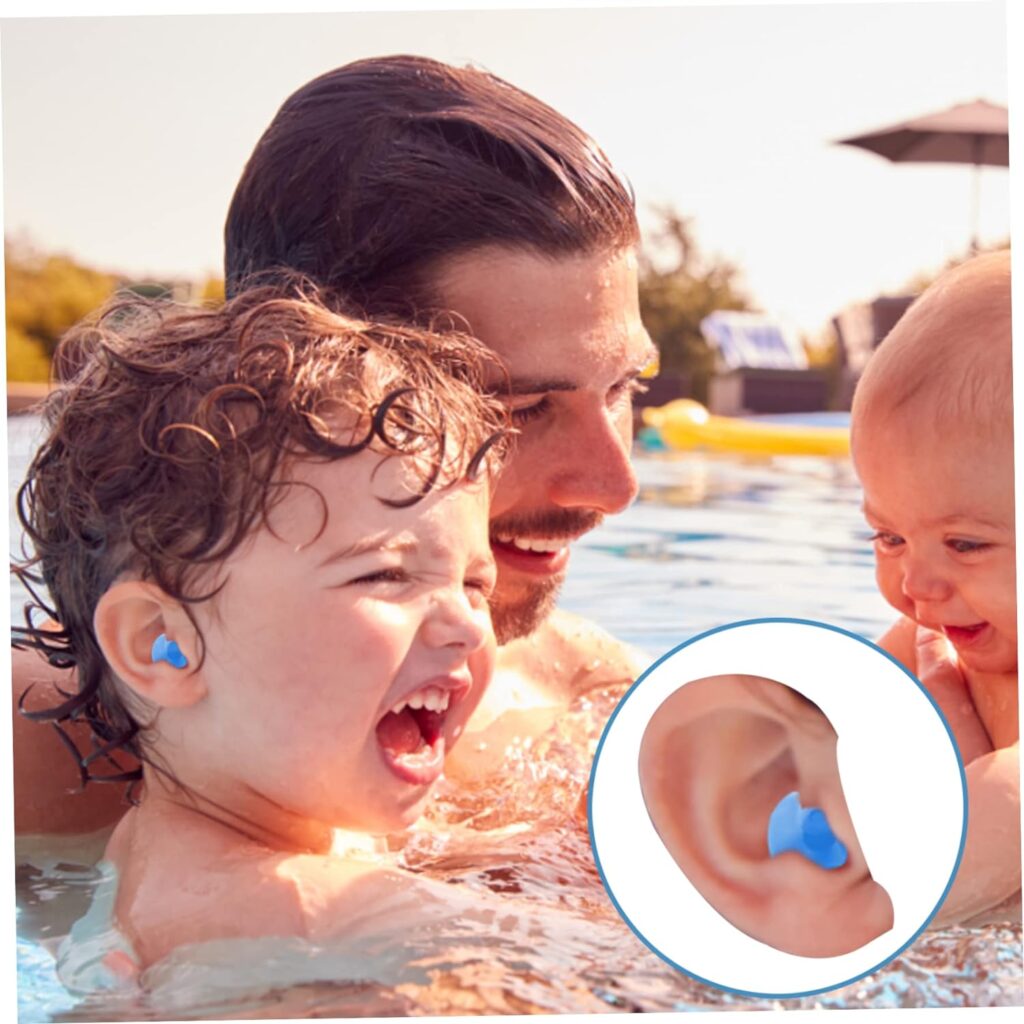
Earplugs designed for swimming can help prevent water from entering the ear canal. Ensure they fit properly and are comfortable for your child to wear.

2. Wear a Swim Cap

A snug-fitting swim cap can help reduce the amount of water that enters the ears. It’s a simple yet effective method to minimize the risk of trapped water.

3. Dry Ears Thoroughly

After swimming, use a dry towel to gently dry the outer ear. Tilt the head to each side to encourage any remaining water to drain out.

Recognizing Signs of Ear Infection

Water trapped in the ear can sometimes lead to infections, such as swimmer’s ear (otitis externa). It’s essential to recognize the symptoms early to seek appropriate treatment.

1. Itching or Irritation

If your child complains of itching or irritation inside the ear, it may indicate an early stage of infection. Keep an eye on the symptoms and consult a healthcare professional if they persist.

2. Redness or Swelling

Visible redness or swelling around the ear canal can be a sign of infection. This may be accompanied by pain or discomfort.

3. Discharge

Any fluid discharge from the ear, whether clear or pus-like, is a sign of infection and should be evaluated by a doctor.

4. Hearing Loss

Temporary hearing loss can occur when water is trapped in the ear. If it persists, it could be due to an underlying infection or blockage that requires medical attention.

When to Seek Medical Help

If the water remains trapped for more than a few days, or if your child shows signs of infection, it’s crucial to seek medical advice. Persistent symptoms may require treatment to prevent complications.

Background on Swimmer’s Ear

Swimmer’s ear is a common condition caused by water remaining in the outer ear canal. The moisture creates an environment conducive to bacterial growth, leading to infection. According to the Centers for Disease Control and Prevention (CDC), swimmer’s ear results in nearly 2.4 million healthcare visits annually in the United States.

Preventive Measures

Regularly using preventive measures, such as earplugs and swim caps, along with educating children on proper ear care, can significantly reduce the risk of swimmer’s ear. For more detailed guidelines on water safety and swimming courses, consider the programs offered by SwimRight Academy.

Selecting the right floaties for your baby is crucial for their safety and enjoyment in the water. Floaties, also known as swimming aids, come in various forms, each offering different benefits. This guide will help you navigate through the options to find the best floaties based on your baby’s age, needs, and preferences.

Types of Floaties

Arm Floaties Arm floaties, or water wings, are inflatable bands worn around the arms. They help keep your baby’s head above water while allowing free movement of the arms. These are suitable for babies who can sit up and have some neck control. However, they can slip off or deflate easily, providing limited stability. They are not recommended for babies under 1 year old or those who are not confident in the water.

Swim Vests Swim vests cover the torso and have straps that go over the shoulders, providing more support and stability. They help maintain good posture and balance in the water, ideal for babies learning to swim. However, swim vests can be bulky and restrict mobility. They are not recommended for babies under 6 months old and should always be used under adult supervision.

Pool Floats Pool floats have a seat or a hole for your baby to sit in, keeping them above water and providing a fun experience. They come in various shapes and features, such as sunshades and toys. Pool floats are great for introducing babies to water but can be dangerous if they flip over, puncture, or drift away. They are not recommended for babies under 3 months old or those left unsupervised.

Safety Considerations

Before choosing a floatie, consider the following safety tips:

  • Check size, weight, and age recommendations to ensure a snug and secure fit.
  • Inspect for damage such as holes or leaks. Replace if damaged.
  • Inflate properly using a pump or mouthpiece, avoiding over or underinflation.
  • Supervise your baby at all times, staying within arm’s reach.
  • Follow pool or beach rules, avoiding crowded or deep areas and staying away from hazards.

Best Floaties for Different Ages

Infants (0-6 months)

  • Baby Neck Floats: Small rings around the neck keeping the head above water, allowing floating on the back or stomach.
  • Baby Spring Floats: Circular floats with a fabric seat and a sun canopy, ideal for babies who can sit up.

1-Year-Olds (6-12 months)

  • Baby Swim Trainers: Swim vests with foam inserts and adjustable straps, helping babies stay upright and practice swimming.
  • Baby Activity Floats: Pool floats with a seat and interactive features like a steering wheel, ideal for engaging and stimulating water play.

Toddlers (1-3 years)

  • Baby Swim Rings: Inflatable rings around the waist with handles, helping toddlers float and move in the water.
  • Baby Swim Seats: Pool floats with a seat and backrest, providing support for standing and walking toddlers.

Popular Brands and Products

Here are some high-quality floaties available on the market:

Fun and Engaging Designs

Floaties come in a variety of fun and engaging designs:

  • Intex Kiddie Float: A pool float with a seat, backrest, and detachable sunshade.
  • Stearns Puddle Jumper Deluxe Child Life Jacket: A swim vest with a soft fabric cover and 3D character design.
  • Intex Stingray Ride-On: A pool float with a realistic stingray design.

Frequently Asked Questions

Q1: What age is appropriate for using floaties?

  • Most floaties are suitable for babies from 6 months old. However, always check the specific age and weight recommendations on the product.

Q2: Are floaties safe for babies?

  • Floaties can be safe if used properly. Always supervise your baby, ensure proper fit, and inspect for damage before use.

Q3: Can floaties replace adult supervision?

  • No, floaties are not a substitute for adult supervision. Always stay within arm’s reach of your baby when they are in the water.

Q4: What should I look for in a good floatie?

  • Look for floaties with proper size, weight, and age recommendations. Ensure they are made of durable materials and have safety features like secure straps and buckles.

Q5: How can I ensure my baby’s comfort while using floaties?

  • Choose floaties with soft, skin-friendly materials and proper support. Ensure the water temperature is comfortable and keep sessions short to avoid fatigue.

By following these guidelines, you can select the best floaties for your baby, ensuring their safety and enjoyment in the water.

When it comes to protecting your children’s ears during swimming, finding the right solution tailored to their specific needs is crucial. Different swimming environments and activities call for different types of ear protection to prevent issues such as swimmer’s ear. Here’s a comprehensive guide to choosing the best ear protection for your child.

Custom-Fit Earplugs

Custom-fit earplugs are often considered the gold standard for ear protection. Made from molds of your child’s ears, they offer a perfect fit and maximum comfort. These earplugs provide an effective seal against water and are ideal for children who swim frequently or are involved in competitive swimming. Custom-fit earplugs can be obtained from audiologists or specialized providers.

Famous Brands:

  • Docs Proplugs: Known for their custom-fit options, offering both vented and non-vented versions.
  • Westone: Offers high-quality custom-fit earplugs tailored for various activities, including swimming.

Pre-Molded Earplugs

Pre-molded earplugs, also known as flanged earplugs, are made from silicone or rubber and come in various sizes. They are more affordable than custom-fit earplugs and provide a good seal against water when fitted correctly. These are suitable for occasional swimmers or those who do not need a custom fit.

Famous Brands:

  • Speedo: Offers a range of pre-molded earplugs designed for comfort and effectiveness.
  • Mack’s: Known for their high-quality ear protection products, including pre-molded swimming earplugs.

Moldable Earplugs

Moldable earplugs are made from a soft, pliable material such as silicone putty. They can be molded to fit the contours of the outer ear, providing a custom-like fit without the expense of custom-made earplugs. These are ideal for young children who may find pre-molded earplugs uncomfortable.

Famous Brands:

  • Putty Buddies: Popular for their comfortable and easy-to-mold earplugs suitable for children.
  • Mack’s Pillow Soft Silicone Putty Earplugs: Highly recommended for their moldability and effectiveness in keeping water out.

Ear Bands

Ear bands are neoprene headbands designed to keep earplugs in place during swimming. They are particularly useful for young children who might lose their earplugs while playing in the water. Ear bands can be used in conjunction with any type of earplugs to provide additional security and prevent water from entering the ears.

Famous Brands:

  • Ear Band-It: Offers durable and comfortable ear bands that work well with various earplugs.
  • Frogglez: Known for their adjustable and secure ear bands that stay in place during vigorous activities.

Water-Resistant Ear Drops

For children who are prone to swimmer’s ear, using water-resistant ear drops before swimming can provide an additional layer of protection. These drops create a barrier that prevents water from getting trapped in the ear canal. While not a substitute for earplugs, they can be a helpful adjunct in preventing ear infections.

Famous Brands:

  • AquaEars: Provides effective ear drops that help prevent swimmer’s ear.
  • SwimSeal: Known for their water-repellent ear drops designed for use before and after swimming.

Key Considerations for Choosing Ear Protection

Age and Comfort

The age of your child and their comfort level with different types of ear protection is crucial. Younger children may prefer moldable earplugs and ear bands, while older children and teens involved in competitive swimming might benefit more from custom-fit earplugs.

Frequency of Swimming

For children who swim regularly, investing in high-quality custom-fit earplugs can be worthwhile. For occasional swimmers, pre-molded or moldable earplugs provide adequate protection without the need for a custom fit.

Type of Water

Consider the type of water your child will be swimming in. Chlorinated pools can cause irritation, while natural bodies of water like lakes and oceans may contain bacteria. Ensuring a good seal with appropriate ear protection can help prevent water-related ear infections in all environments.

Maintenance and Hygiene

Proper maintenance and hygiene of ear protection devices are essential. Earplugs should be cleaned regularly and replaced as needed to prevent the buildup of bacteria. Custom-fit earplugs, in particular, require regular care to maintain their effectiveness and longevity.

Choosing the right earplugs for your child can be essential for preventing water-related ear issues like swimmer’s ear. Here’s what parents need to know to make an informed decision.

Importance of Ear Protection

Swimming is a fantastic activity for children, but it can lead to water getting trapped in the ears, which may cause infections. Using earplugs can help prevent these issues and ensure a more enjoyable experience in the water.

Types of Earplugs

Custom-Fit Earplugs

Custom-fit earplugs are molded to fit the unique shape of your child’s ears. They provide an excellent seal against water and are usually made from high-quality silicone. These earplugs are perfect for children who swim frequently or participate in competitive swimming.

Famous Brands:

  • Docs Proplugs: Offers custom-fit earplugs that are comfortable and effective.
  • Westone: Known for their high-quality custom earplugs suitable for swimming.

Pre-Molded Earplugs

Pre-molded earplugs come in standard sizes and are usually made from silicone or rubber. They are an affordable option and can be effective if they fit well. These earplugs are suitable for occasional swimmers.

Famous Brands:

  • Speedo: Offers a range of pre-molded earplugs designed for swimmers.
  • Mack’s: Provides high-quality, pre-molded earplugs that are popular among swimmers.

Moldable Earplugs

Moldable earplugs are made from a soft, pliable material like silicone putty. They can be molded to fit the contours of the outer ear, providing a custom-like fit. These are ideal for young children who may find pre-molded earplugs uncomfortable.

Famous Brands:

  • Putty Buddies: Known for their comfortable and easy-to-mold earplugs.
  • Mack’s Pillow Soft Silicone Putty Earplugs: Highly recommended for their moldability and effectiveness.

Factors to Consider

Fit and Comfort

Ensuring the earplugs fit well and are comfortable for your child is crucial. Poorly fitting earplugs can be ineffective and uncomfortable, deterring your child from using them.

Frequency of Use

For frequent swimmers, investing in high-quality custom-fit earplugs may be worth it. For those who swim occasionally, pre-molded or moldable earplugs may suffice.

Allergies and Sensitivities

Consider any allergies or sensitivities your child might have. Some materials may cause irritation, so it’s essential to choose hypoallergenic options if necessary.

Durability

High-quality earplugs can be more durable and provide better protection over time. Investing in a good pair can save you money in the long run and ensure consistent protection.

Maintaining Earplugs

Proper maintenance and hygiene of earplugs are essential to prevent bacterial buildup and ensure longevity. Regularly clean the earplugs with mild soap and water and store them in a dry, clean case.

Additional Ear Protection

Ear Bands

Ear bands are neoprene headbands designed to keep earplugs in place during swimming. They are particularly useful for young children who might lose their earplugs while playing in the water.

Famous Brands:

  • Ear Band-It: Offers durable and comfortable ear bands that work well with various earplugs.
  • Frogglez: Known for their adjustable and secure ear bands that stay in place during vigorous activities.

Water-Resistant Ear Drops

Water-resistant ear drops can provide an additional layer of protection against swimmer’s ear. These drops create a barrier that prevents water from getting trapped in the ear canal.

Famous Brands:

  • AquaEars: Provides effective ear drops that help prevent swimmer’s ear.
  • SwimSeal: Known for their water-repellent ear drops designed for use before and after swimming.

Recognizing Ear Issues

Even with ear protection, it’s important to recognize the signs of ear issues that may require medical attention. Symptoms like itching, redness, swelling, discharge, or hearing loss should be addressed promptly by a healthcare professional.

When it comes to protecting your child’s ears during swimming, earplugs can be an effective solution. They prevent water from entering the ear canal, reducing the risk of ear infections and discomfort. Here, we will explore the best earplugs for swimming, what to look for, and tips for usage.

Why Use Earplugs for Swimming?

Using earplugs while swimming is crucial to prevent swimmer’s ear (otitis externa), an infection caused by water remaining in the ear canal. This can be particularly problematic for children, as their ear canals are more susceptible to infections. Earplugs can also help children with ear tubes or other ear conditions enjoy swimming without complications.

Types of Earplugs for Swimming

Silicone Putty Earplugs

Silicone putty earplugs are moldable and provide a custom fit for each user’s ear. They are soft, comfortable, and effective at blocking water.

  • Advantages: Custom fit, reusable, comfortable.
  • Disadvantages: May lose stickiness over time, require proper storage.

Pre-Molded Earplugs

Pre-molded earplugs are made of silicone or rubber and come in a variety of sizes. They are designed to fit snugly into the ear canal and block water effectively.

  • Advantages: Ready to use, durable, available in different sizes.
  • Disadvantages: May not fit all ear shapes perfectly, can be less comfortable for long use.

Flanged Earplugs

Flanged earplugs have multiple flanges or ridges that create a tight seal in the ear canal. These are often made of silicone and are reusable.

  • Advantages: Secure fit, reusable, effective seal.
  • Disadvantages: Can be uncomfortable for some users, may require adjustment.

Custom-Fit Earplugs

Custom-fit earplugs are made specifically for the user’s ear shape. These are usually created by taking a mold of the ear and are made from medical-grade materials.

  • Advantages: Perfect fit, highly effective, long-lasting.
  • Disadvantages: Expensive, require a professional fitting.

Factors to Consider When Choosing Earplugs

Fit and Comfort

The fit of the earplugs is crucial. Poorly fitting earplugs can let water in, causing discomfort and increasing the risk of infections. Look for earplugs that offer a snug yet comfortable fit.

Material

The material of the earplugs affects their comfort and durability. Silicone and rubber are common materials used for swimming earplugs. Silicone tends to be softer and more comfortable, while rubber can be more durable.

Reusability

Some earplugs are designed for single-use, while others are reusable. Reusable earplugs are more cost-effective in the long run and are usually made of higher-quality materials.

Ease of Use

Earplugs should be easy to insert and remove. This is especially important for children, who may need to handle them independently.

Safety

Ensure the earplugs are safe and non-toxic. Avoid earplugs made with harmful chemicals or those that could cause allergic reactions.

How to Use Earplugs Correctly

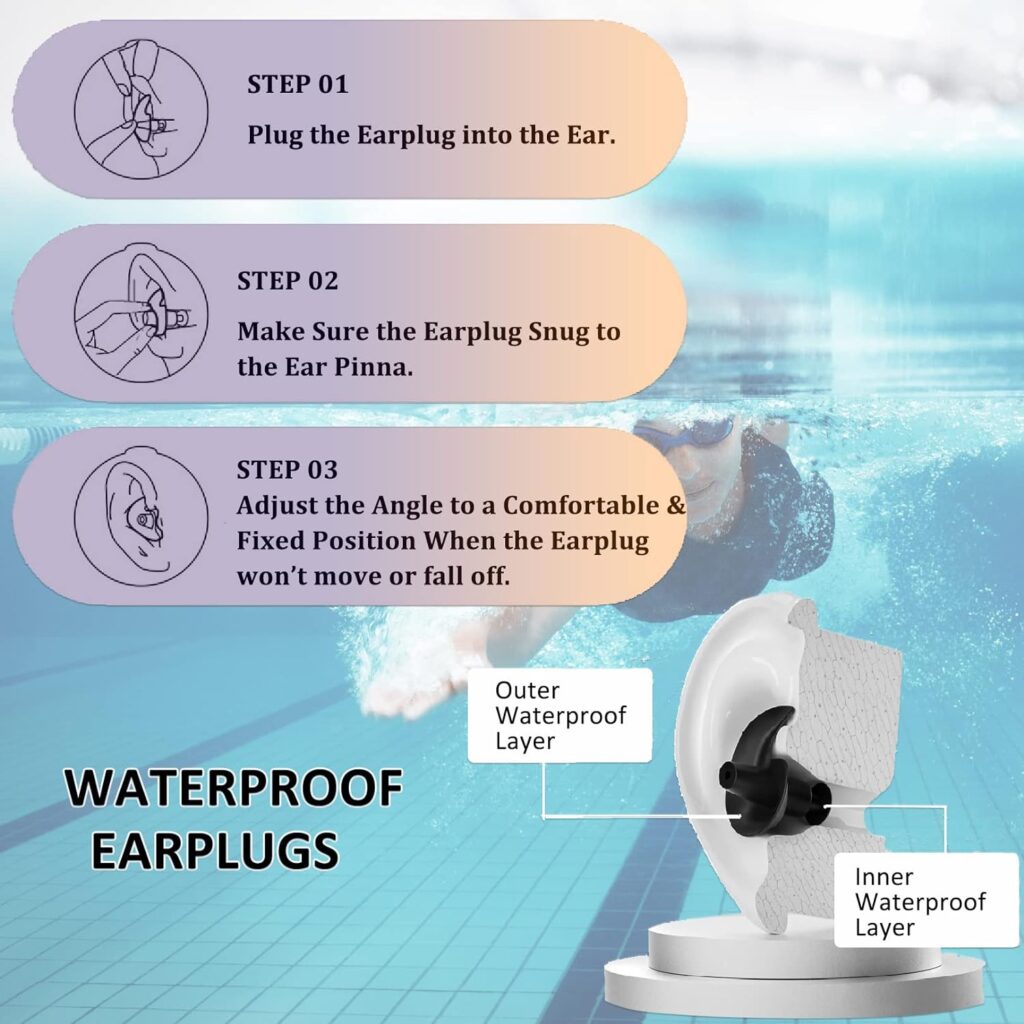
  1. Clean Hands and Ears: Always wash your hands and clean your child’s ears before inserting earplugs to prevent infections.
  2. Insert Properly: Follow the manufacturer’s instructions to insert the earplugs correctly. Improper insertion can reduce their effectiveness.
  3. Check Fit: Ensure the earplugs fit snugly and there are no gaps. Adjust if necessary.
  4. Remove Safely: Gently twist and pull the earplugs out to avoid damaging the ear canal.

Recommended Brands and Products

Mack’s Pillow Soft Silicone Earplugs

Mack’s Pillow Soft Silicone Earplugs are a popular choice due to their moldable design and comfortable fit. They are effective at blocking water and are reusable.

  • Pros: Comfortable, custom fit, reusable.
  • Cons: May lose stickiness over time.

Speedo Ergo Earplugs

Speedo Ergo Earplugs are pre-molded and designed for a secure fit. They are made of soft TPR material and come with a carrying case.

  • Pros: Secure fit, easy to use, comes with a case.
  • Cons: May not fit all ear shapes.

Putty Buddies Floating Earplugs

Putty Buddies are silicone putty earplugs that float, making them easy to find if dropped. They are designed for children and come in fun colors.

  • Pros: Float, custom fit, fun colors.
  • Cons: Can lose shape over time.

TYR Soft Silicone Earplugs

TYR Soft Silicone Earplugs are pre-molded and offer a comfortable fit. They come with a storage case and are designed for repeated use.

  • Pros: Comfortable, reusable, comes with a case.
  • Cons: May require adjustment for a perfect fit.

Doc’s Proplugs

Doc’s Proplugs are pre-molded and come in various sizes for a custom-like fit. They are made of hypoallergenic materials and are vented to equalize pressure.

  • Pros: Custom fit, hypoallergenic, vented.
  • Cons: Higher cost, may require fitting assistance.

Frequently Asked Questions

What are the best earplugs for children with ear tubes?

Custom-fit earplugs or silicone putty earplugs are recommended for children with ear tubes. They provide a secure fit and prevent water from entering the ear canal.

How often should earplugs be replaced?

Reusable earplugs should be replaced every few months or when they show signs of wear and tear. Single-use earplugs should be discarded after each use.

Can earplugs cause ear infections?

If used and maintained properly, earplugs should not cause ear infections. It’s important to clean them regularly and ensure they fit correctly.

Are there earplugs specifically designed for toddlers?

Yes, some brands offer earplugs designed for smaller ear canals, such as Putty Buddies and Mack’s Pillow Soft Silicone Earplugs.

How can I ensure my child wears earplugs consistently?

Choose comfortable earplugs and involve your child in the selection process. Practice inserting and removing the earplugs together and explain the benefits of wearing them.

By choosing the right earplugs and following proper usage guidelines, you can help protect your child’s ears and make their swimming experience more enjoyable and safe.

Choosing the right floatation device for your child can significantly impact their safety and enjoyment in the water. Floatation devices, also known as swimming aids, come in various forms, each designed to cater to different ages, swimming abilities, and safety requirements. Here, we’ll discuss some popular options, key considerations, and essential tips for selecting the best device for your child’s needs.

What Are the Best Floatation Devices for Kids?

Water Wings

Water wings, or arm floats, are inflatable devices worn around the arms. They help keep the child’s head above water while allowing arm movement. These are suitable for children who can sit up and control their neck muscles. However, water wings can be unstable and may slip off or deflate easily. They do not provide support for the back or chest, and can restrict movement, making them less ideal for children under one year old or those not confident in the water.

Key features to consider:

  • Size: Ensure a snug fit to prevent slipping or squeezing.
  • Material: Opt for durable, comfortable materials like PVC or vinyl.
  • Design: Choose bright, visible colors for easy spotting.

Swim Vests

Swim vests cover the torso and have straps around the shoulders, offering more support and stability than water wings. These are excellent for children learning to swim, as they help maintain posture and balance while allowing the practice of kicking and paddling. However, they can be bulky and may limit mobility. Swim vests are not recommended for children under six months old or those without adult supervision.

Key features to consider:

  • Buoyancy: Adequate to keep the child afloat without lifting them too high.
  • Adjustability: Straps should provide a secure, comfortable fit.
  • Comfort: Soft, smooth materials like neoprene or nylon are best.

Pool Floats

Pool floats are larger devices with a seat or hole for the child to sit in. They keep the child above water and provide a fun, relaxing experience. Ideal for children new to water, pool floats often come with features like sunshades or toys. However, they can be dangerous if they flip over, puncture, or drift away. Always supervise children using pool floats, especially those under three months old.

Key features to consider:

  • Stability: Ensure a stable structure to prevent tipping.
  • Safety: Look for safety valves and harnesses.
  • Fun: Attractive designs and interactive features can enhance the experience.

Life Jackets

Life jackets are essential for children swimming in deep or open water. These vests provide emergency flotation and prevent drowning, making them crucial for less competent swimmers. They come in various sizes and styles to match different weights and water conditions.

Key features to consider:

  • Buoyancy: Sufficient to keep the child afloat and upright.
  • Fit: Secure yet comfortable, without restricting movement.
  • Durability: Made from robust materials to withstand wear and tear.

Choosing the Right Floatation Device for Toddlers

For toddlers (ages 1-3), select floatation devices designed for their specific needs. Toddlers are curious but vulnerable, requiring devices that ensure safety and comfort while allowing exploration.

Important Features for Toddler Floatation Devices

  • Safety: Look for safety valves, buckles, and harnesses. Bright colors help with visibility.
  • Comfort: Ensure a snug fit and soft materials to prevent irritation.
  • Fun: Engaging designs and features can make water time enjoyable.

Recommended Floatation Devices for Toddlers

Swim Floaties

Swim floaties are excellent for toddlers learning to swim. They provide torso support with adjustable straps for a snug fit. They allow practice of basic swimming techniques while maintaining safety and comfort.

Benefits:

  • Buoyancy: Keeps the child afloat without lifting too high.
  • Adjustability: Easy-to-use straps for a secure fit.
  • Versatility: Suitable for various water environments and activities.

Safety Tips for Using Floatation Devices

  1. Read Instructions: Follow size, weight, and age recommendations. Understand inflation, deflation, and maintenance procedures.
  2. Inspect Devices: Check for damage before use. Replace any compromised devices.
  3. Supervise Children: Always stay within arm’s reach. Never leave children unattended in the water.

Frequently Asked Questions

What age is appropriate for water wings?

Water wings are suitable for children who can sit up and control their neck muscles, typically around 1 year old. They are not recommended for infants or children lacking water confidence.

Are swim vests better than water wings?

Swim vests provide more support and stability, making them better for children learning to swim. They help maintain posture and balance, allowing for effective practice of swimming techniques.

Can pool floats be used without supervision?

No, children using pool floats should always be supervised. Pool floats can flip, puncture, or drift, posing significant risks if used without adult oversight.

What should I look for in a life jacket for my child?

Ensure the life jacket provides adequate buoyancy, fits securely, and is made from durable materials. Check for safety certifications and ratings appropriate for your child’s weight and swimming conditions.

How do I maintain and store floatation devices?

Inspect floatation devices for damage before and after each use. Follow the manufacturer’s instructions for cleaning and storage to ensure longevity and safety.

By selecting the right floatation device and adhering to safety guidelines, you can ensure a safer and more enjoyable water experience for your child. Always prioritize your child’s safety and comfort, and make water activities a positive learning environment.

Choosing the right water wings and pool floats for your kids involves considering their age, swimming ability, and safety. Here, we provide a guide to help you make informed decisions about these swimming aids.

Water Wings for Kids

Water wings, or arm floats, are inflatable devices worn on the arms to keep kids’ heads above water while allowing arm movement. They are easy to use but may not be stable and can restrict motion. They are generally not recommended for children under 1 year old.

Key Features to Consider:

  • Size: Ensure a snug fit without being too tight or too loose.
  • Material: Opt for durable, comfortable materials like PVC or vinyl that are easy to clean.
  • Design: Choose simple designs with bright colors for visibility.

Swim Floats for Toddlers

Swim floats, which cover the torso and have shoulder straps, provide more stability than water wings. They help maintain balance and are ideal for children learning to swim. However, they can limit mobility and should not be used for babies under 6 months without supervision.

Key Features to Consider:

  • Buoyancy: Enough to keep kids afloat without hindering movement.
  • Adjustability: Adjustable straps for a secure fit.
  • Comfort: Soft, breathable materials to prevent chafing.

Pool Floaties for Toddlers

Pool floaties, often with seats or holes for sitting, are designed for fun and relaxation. While great for introducing kids to water, they can pose risks if not used properly. They are not recommended for babies under 3 months or unattended use.

Key Features to Consider:

  • Stability: Ensure a stable structure to prevent tipping over.
  • Safety: Safety valves to prevent air leakage and harnesses to secure the child.
  • Fun: Interactive designs that engage children.

Choosing the Safest Floaties

Safety should always be a priority when choosing floaties. Follow these tips:

  • Read Instructions: Follow size, weight, and age recommendations. Understand inflation and maintenance guidelines.
  • Inspect Floaties: Check for damage before each use and replace if necessary.
  • Supervise Kids: Always supervise children using floaties, staying within arm’s reach.

Types of Swimming Floatation Devices

Swimming floatation devices help kids build swimming skills. Here are some options:

  • Kickboards: Ideal for practicing kicking and breathing.
  • Noodles: Flexible tubes for floating and moving.
  • Life Jackets: Keep kids afloat and upright, suitable for competent swimmers.

Popular Brands and Products

Some top-rated floaties include:

  • SwimWays Baby Spring Float Sun Canopy: Features a removable sun canopy and a mesh play space. Suitable for babies 9-24 months.
  • Free Swimming Baby Inflatable Baby Swim Float Ring: Double-decked air chamber and safety buckle for babies 3-36 months.
  • Body Glove Paddle Pals Learn to Swim Life Jacket: Patented design to prevent chafing and riding up, for children 30-50 pounds.

Fun and Engaging Designs

Floaties come in various fun designs to enhance water play:

  • Intex Kiddie Float: Includes a detachable sunshade and starfish squeezers. For 1-2 years old.
  • Stearns Puddle Jumper Deluxe: Swim vest with 3D character designs, for children 30-50 pounds.
  • Intex Stingray Ride-On: Realistic stingray design for kids 3 years and up.

FAQ

1. What are the safest floaties for toddlers?

The safest floaties for toddlers are those with a stable structure, safety valves, and secure harnesses. Swim vests and well-designed pool floaties are good options.

2. How do I ensure the floaties fit properly?

Ensure the floaties fit snugly without being too tight. Adjustable straps can help achieve a secure fit.

3. Can floaties replace swimming lessons?

No, floaties should not replace swimming lessons. They can supplement swimming practice but should not be relied on solely for safety.

4. Are water wings safe for all ages?

Water wings are not recommended for children under 1 year old and should be used with caution due to potential stability issues.

5. What materials are best for floaties?

Durable, comfortable materials like PVC or vinyl are ideal. Ensure they are easy to clean and resistant to punctures and leaks.