Author

admin

Browsing

What Are the Benefits of Infant Swim Time?

1. Physical Development

Infant swim time significantly enhances physical development. Swimming engages multiple muscle groups, promoting better motor skills and coordination. Regular swim sessions can improve strength, balance, and overall body control, which are crucial during early developmental stages. Research indicates that babies who swim tend to reach physical milestones such as crawling and walking earlier than their non-swimming peers.

2. Cognitive Benefits

Swimming is not just beneficial for the body; it also boosts cognitive development. The sensory experiences and the need to adapt to a new environment stimulate brain growth. Studies have shown that babies who participate in swimming activities demonstrate advanced cognitive skills, including problem-solving and understanding complex concepts.

3. Enhanced Social Skills
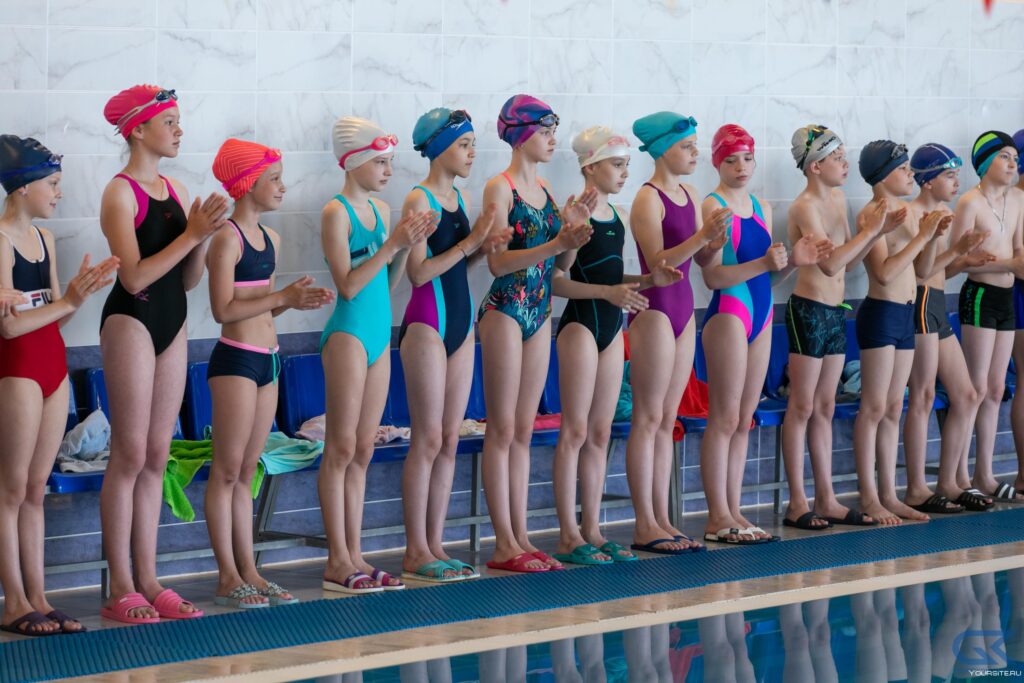
Infant swim classes often involve group activities, allowing babies to interact with their peers. This early social interaction can help develop essential social skills such as sharing, taking turns, and empathy. These skills are foundational for building positive relationships as the child grows.

4. Improved Sleep Patterns

Many parents notice that their babies sleep better after swim sessions. The physical exertion and sensory stimulation can tire babies out, leading to longer and more restful sleep. Improved sleep patterns contribute to better overall health and development.

5. Increased Appetite

Swimming can stimulate a baby’s appetite. The physical activity burns energy, making babies hungrier and more likely to eat well. A healthy appetite is essential for growth and development, ensuring that babies receive the necessary nutrients.

6. Boosted Confidence

Learning to swim and becoming comfortable in the water can significantly boost a baby’s confidence. This confidence can extend to other areas of life, fostering a sense of independence and self-assurance. Early swimming experiences can help children develop a positive relationship with water, reducing the likelihood of water-related fears in the future.

7. Bonding Opportunities

Infant swim time offers a unique bonding opportunity for parents and their babies. The close physical contact and shared experience can strengthen the parent-child bond. These moments of connection are vital for emotional development and can enhance the sense of security and trust between parent and child.

8. Early Water Safety Skills

Introducing babies to water early can lay the groundwork for essential water safety skills. While infants are too young to learn swimming techniques, early exposure can make them more comfortable and confident in the water. This comfort can serve as a foundation for more formal swimming lessons later on, potentially reducing the risk of water-related accidents.

Frequently Asked Questions

Q: At what age can I start taking my baby to swim classes?

A: Most swim classes accept babies as young as six months old. Always check with your pediatrician to ensure your baby is ready for swimming.

Q: How often should my baby go swimming?

A: It’s generally recommended to start with once or twice a week. Gradually increase the frequency as your baby becomes more comfortable in the water.

Q: What should I bring to a baby swim class?

A: Essentials include swim diapers, a towel, a change of clothes, and baby-friendly sunscreen if swimming outdoors.

Q: Are there any health risks associated with infant swimming?

A: Ensure the pool is clean and well-maintained. Babies with specific health conditions should consult their pediatrician before starting swim classes.

Q: Can swimming help with my baby’s development?

A: Yes, swimming can enhance physical, cognitive, and social development, improve sleep patterns, and boost confidence.

By understanding and embracing the benefits of infant swim time, parents can provide their babies with a healthy, enjoyable start to water activities.

The Safety Risks of Water Wings

Water wings, or floaties, are a common sight at pools and beaches. They are inflatable swimming aids worn around a child’s upper arms, designed to help young kids float. However, it’s crucial to understand that these devices are not safety equipment and come with significant risks.

What Are Water Wings?

Water wings are not life jackets or life preservers. Unlike these approved safety devices, water wings are not regulated by the U.S. Coast Guard. They are simply aids to help children stay afloat but do not ensure safety in the water.

Understanding the Risks

Several dangers are associated with the use of water wings:

  • Ease of Removal: Water wings can easily slip off a child’s arms, especially if they lack an attached chest piece. Products with a chest piece can offer more security, but they still aren’t foolproof.
  • Material Issues: The inflatable material of water wings can puncture or deflate, reducing their buoyancy and effectiveness.
  • Positional Risk: If a child rolls onto their stomach while wearing water wings, they may struggle to turn over and breathe, increasing the risk of drowning.
  • False Sense of Security: Water wings can give both children and parents a false sense of security. Children might believe they can always float, even without the wings, leading to dangerous situations. Parents might feel it’s safe to step away momentarily, which can lead to lapses in supervision.

Safe Usage of Water Wings

If you choose to use water wings, exercise caution. Always ensure your child is within arm’s reach of a vigilant adult. This practice, known as “touch supervision,” is recommended by the American Academy of Pediatrics (AAP). Being close to your child in the water not only allows you to monitor their safety but also makes swimming a more interactive and enjoyable experience.

The Importance of Swim Lessons

For a safer approach to water activities, consider enrolling your child in professional swim lessons. Formal swim lessons significantly reduce the risk of drowning and help children develop essential water skills. As they become proficient swimmers, they’ll also gain the confidence needed to navigate the water safely.

Benefits of Professional Swim Lessons

  • Skill Development: Swim lessons teach children how to swim properly, including techniques for floating, treading water, and basic strokes.
  • Confidence Building: As children learn to swim, they gain confidence in their abilities, which is crucial for safe water interaction.
  • Safety Education: Professional instructors teach children about water safety, including the importance of never swimming alone and recognizing dangerous situations.
  • Reduced Reliance on Aids: With proper swim training, children rely less on flotation devices and more on their skills, which is safer in the long run.

Practical Tips for Parents

1. Start Early

Introduce your child to water early, around six months old. Early exposure helps build comfort and familiarity, reducing fear and promoting a lifelong love for swimming.

2. Choose the Right Program

Select a swim program that focuses on safety, has certified instructors, and encourages parental involvement. Programs with small class sizes and personalized attention can be particularly beneficial.

3. Communicate Your Concerns

Be open with instructors about any fears or anxieties you have. This communication allows instructors to provide the support you need, creating a more positive experience for both you and your child.

4. Celebrate Small Achievements

Every small success, whether it’s a first kick or a successful float, is a step toward overcoming fear. Celebrate these achievements together, reinforcing positive experiences in the water.

5. Stay Consistent

Regular swim lessons help reinforce skills and build confidence. Consistency is key to maintaining progress and ensuring both parent and child continue to feel comfortable and safe in the water.

FAQs About Water Wings and Swim Safety

1. Are water wings safe for my toddler?

Water wings can be used, but they come with risks. Always ensure your child is within arm’s reach and never rely solely on water wings for safety.

2. What should I look for in a swim program?

Look for programs with certified instructors, a focus on safety, and a supportive, collaborative environment. Small class sizes and personalized attention are important factors.

3. How do swim lessons benefit my child?

Swim lessons enhance coordination, balance, and confidence. They also teach essential safety skills and help reduce the risk of drowning.

4. Can water wings replace a life jacket?

No, water wings are not a substitute for a life jacket. Life jackets are safety devices approved by the U.S. Coast Guard, while water wings are not.

5. How can I make swim lessons enjoyable for my child?

Choose a program that incorporates fun activities and positive reinforcement. Celebrate small achievements and maintain a positive attitude towards water activities.

The Role of Baby Swim Lessons in Overcoming Parental Fear

Safety and Familiarity in Shallow Waters

Baby swim programs are typically conducted in shallow parts of the pool, usually less than 1.2 meters deep. This ensures safety for both babies and parents, reducing anxiety and creating a controlled environment. The proximity to the pool’s edge provides additional reassurance, making it easier for parents to focus on their child’s learning.

Building Trust Through Physical Connection

The physical bond between parent and child in the water is crucial for building trust and comfort. Holding the baby correctly fosters relaxation and a sense of security. This physical connection helps parents feel more at ease, knowing they are providing a safe space for their child.

Encouraging Open Communication with Instructors

Parents should communicate their discomfort or fear to the swim instructor. This openness allows instructors to tailor their approach, providing additional support and encouragement. A collaborative environment helps parents gradually overcome their fears while focusing on their child’s progress.

Key Moments in Overcoming Fear Through Baby Swimming

Understanding the Dynamics of Water

As parents learn about water’s depth and width alongside their child, they gain a gradual understanding of the aquatic environment. This shared learning experience can help demystify water and reduce fear.

Gradual Progression

The process of overcoming fear is incremental, focusing on small, achievable goals in each session. This methodical approach helps build confidence in both parents and children.

Joy of Shared Experiences

Witnessing their child’s happiness and confidence in the water can inspire parents to embrace the experience positively. Shared successes, such as a child’s first independent float, become powerful motivators.

Long-Term Benefits: Beyond the Swim Lessons

A Lifelong Bond in Water

The shared experiences in the pool forge a stronger bond between parent and child, rooted in trust and mutual support. This bond extends beyond the pool, enhancing the overall parent-child relationship.

Continued Aquatic Journey

Many children continue to pursue swimming, transitioning from baby swim lessons to independent swim classes. This progression often sees parents becoming more comfortable and even enthusiastic about water activities.

Personal Growth for Parents

Parents find a new avenue for recreation and relaxation in swimming, transforming their initial fear into a love for the water. This personal growth can lead to a healthier lifestyle and a more positive outlook on overcoming challenges.

Practical Tips for Parents

Start Early

Introduce your baby to water as early as six months old. Early exposure helps children develop comfort and familiarity with water, reducing fear and promoting a lifelong love for swimming.

Choose the Right Program

Select a swim program that focuses on safety, has certified instructors, and encourages parental involvement. Programs with small class sizes and personalized attention can be particularly beneficial.

Communicate Your Fears

Be open with instructors about any fears or anxieties you have. This communication allows instructors to provide the support you need, creating a more positive experience for both you and your child.

Celebrate Small Achievements

Every small success, whether it’s a first kick or a successful float, is a step toward overcoming fear. Celebrate these achievements together, reinforcing positive experiences in the water.

Stay Consistent

Regular swim lessons help reinforce skills and build confidence. Consistency is key to maintaining progress and ensuring both parent and child continue to feel comfortable and safe in the water.

FAQs About Baby Swim Lessons

1. What age should my baby start swim lessons?

Babies can start swim lessons as early as six months old. Early introduction to water helps build comfort and familiarity, laying the foundation for future swimming skills.

2. How do baby swim lessons help parents overcome fear?

Baby swim lessons create a safe, controlled environment where parents can gradually build their comfort level in the water. The focus on safety, trust-building, and small, achievable goals helps parents overcome their fears.

3. What should I look for in a baby swim program?

Look for programs with certified instructors, a focus on safety, and a supportive, collaborative environment. Small class sizes and personalized attention are also important factors.

4. How can I support my child’s progress in swim lessons?

Stay consistent with lessons, celebrate small achievements, and communicate openly with instructors. Encouraging your child and maintaining a positive attitude towards water activities are crucial for their progress.

5. Can swim lessons benefit my child’s development beyond swimming?

Yes, swim lessons enhance coordination, balance, and confidence. The physical activity also supports overall health, while the social aspects of lessons can improve communication and social skills.

Key Benefits of Swimming for Children

Quick Results in Understanding Water Safety

Swimming lessons provide children with rapid results in understanding the basics of water safety. Within a few sessions, children can learn crucial skills such as floating, treading water, and the correct way to enter and exit a pool. These foundational lessons are not just about improving swimming techniques but about instilling a sense of respect for the water. This quick grasp of water safety can significantly reduce the risk of water-related accidents.

Transforming Children’s Bodies

Swimming is unique in its ability to transform a child’s body comprehensively. Swimmers often develop broad shoulders, a narrow waist, and well-defined abs. The sport promotes even muscle development throughout the body, particularly in the upper body, including the shoulders, arms, and back. This balanced physique combines strength, endurance, and flexibility, providing a foundation for overall physical health.

Physical Health Benefits

Full-Body Workout

Swimming engages almost every muscle group, offering a full-body workout that few other sports can match. The resistance of the water makes every movement more challenging, enhancing muscle strength and endurance.

Cardiovascular Health

Regular swimming improves cardiovascular health by increasing heart rate and boosting circulation. It is an excellent aerobic exercise that helps maintain a healthy weight and reduces the risk of heart disease.

Enhanced Flexibility

Swimming requires a range of motions that enhance flexibility and joint mobility. The water’s buoyancy reduces the impact on joints, making it an ideal exercise for children, even those with physical limitations.

Safety and Lifesaving Skills

Fundamental Water Safety Skills

Early swimming lessons teach children essential water safety skills, including how to float, tread water, and recognize potential hazards. These skills are critical in preventing drowning and other water-related accidents.

Reduces Risk of Drowning

Children who are comfortable and skilled in the water are less likely to panic in dangerous situations. Learning to swim reduces the risk of drowning, making it a vital life skill.

Mental and Emotional Benefits

Builds Confidence and Self-Esteem

Swimming helps build confidence and self-esteem as children master new skills and overcome challenges. The sense of achievement they feel when they improve their swimming abilities translates into greater confidence in other areas of their lives.

Reduces Stress and Anxiety

The rhythmic nature of swimming can be incredibly calming, helping to reduce stress and anxiety. The water’s soothing properties, combined with the physical exercise, contribute to overall mental well-being.

Developmental Advantages

Early Skill Development

Swimming enhances coordination, balance, and spatial awareness. These early skills are foundational for many other physical activities and sports.

Cognitive Benefits

Swimming boosts cognitive function by improving blood flow to the brain. The discipline and focus required in swimming can also enhance concentration and academic performance.

Accessibility and Inclusivity

Suitable for All Ages and Abilities

Swimming is an inclusive sport suitable for children of all ages and abilities. It can be adapted to different skill levels, making it accessible for everyone.

Adaptable for Children with Disabilities

Swimming is particularly beneficial for children with disabilities. The buoyancy of the water supports their movements, allowing them to exercise without putting undue stress on their bodies.

Year-Round Activity

Indoor and Outdoor Swimming Options

Swimming can be enjoyed year-round, with indoor and outdoor options available. This flexibility ensures that children can continue their training and enjoy the benefits of swimming regardless of the season.

Availability of Lessons and Programs

There are numerous swimming lessons and programs available, catering to different ages and skill levels. Parents can find classes that fit their schedules and their children’s needs.

Social and Community Benefits

Teamwork and Social Interaction

Swimming often involves teamwork and social interaction, especially in group lessons or swim teams. These social settings help children develop communication skills and build friendships.

Family Bonding

Swimming provides opportunities for family bonding. Family swim time encourages everyone to participate in a healthy activity together, fostering stronger family connections.

FAQs About Teaching Swimming to Children

1. What age should my child start swimming lessons?

Children can start swimming lessons as early as six months old. However, formal lessons are generally recommended from age 4.

2. How often should children swim to see benefits?

For maximum benefit, children should swim at least once a week. Regular practice helps reinforce skills and build strength.

3. Are swim lessons necessary, or can I teach my child?

While parents can teach basic water skills, professional swim lessons are recommended for comprehensive safety and technique instruction.

4. What should I look for in a swim program?

Look for certified instructors, a low student-to-teacher ratio, and a curriculum that emphasizes safety and skill development.

5. Can swimming help with other sports?

Yes, swimming enhances overall fitness, coordination, and endurance, which can benefit performance in other sports.

The Importance of Water Safety

Water captivates children with its fun and mystery, but it’s essential for parents and caregivers to remember its hidden dangers. Teaching kids about water safety early on ensures they can enjoy water activities while staying safe.

Key Water Safety Tips

Never Swim Alone

Children should always swim under adult supervision. This rule is non-negotiable, as it significantly reduces the risk of drowning.

Learn to Swim Early

Enroll your child in swimming lessons as soon as they are developmentally ready. Swimming skills are crucial for water safety.

Use Proper Safety Gear

Ensure your child uses appropriate flotation devices, such as life jackets, especially in open water or if they are not strong swimmers.

Interactive Storytelling

Engage Through Stories

Storytelling has a unique way of captivating children’s attention and imagination, making it an excellent medium for teaching important lessons like water safety. When a story is interactive, it becomes more than just a narrative; it turns into an experience that children can relate to and learn from.

Choose Water-Related Stories

Select stories that feature water-related scenarios, such as a day at the beach or a family trip to a pool. During storytelling, engage the child by asking predictive questions, encouraging them to suggest what a character should do next, or even role-playing parts of the story. Props, such as toy boats or water wings, can also add a tactile element to the experience.

Recommended Books

Here are some great storybooks that are both educational and entertaining:

  • Josh The Baby Otter
  • Stewie The Duck Learns To Swim
  • The Polar Bear Who Couldn’t, Wouldn’t Swim
  • Barkley’s Great Escape
  • Jay’s Swimming Journey: How One Little Swimmer Learned To Pay Attention To What’s Important

Incorporating Water Safety into Play

Make Learning Fun

Children learn best when they are having fun. Playtime presents an ideal opportunity to teach kids water safety in a manner that is both enjoyable and educational. This method helps children understand and remember safety rules by associating them with positive experiences.

Create Safety Games

  • Pool Safety Board Game: Players advance by answering questions about safe water practices.
  • Bath Time Rescue: Children ‘rescue’ toys using safe methods.

Role-Playing Scenarios

Set up a mock pool area and role-play different water scenarios, discussing what’s safe and what’s not in each case. The key is to make these activities interactive and fun so children are eager to participate and learn.

Visual Learning with Safety Charts

Effective Visual Reminders

Visual learning is highly effective for young children, and a colorful chart can serve as a constant reminder of the safety rules. A well-designed chart can simplify complex information into smaller bits, making it easier for children to understand and recall.

Creating a Water Safety Chart

Design a water safety chart with bright, engaging graphics and simple, clear messages. Include basic rules like:

  • “Never swim without a grownup.”
  • “Always wear a life jacket.”
  • “No running near the pool.”

Involve Your Child

Get creative and involve the child in making the chart, allowing them to add their own drawings or ideas. Once you’re done, place the chart in prominent areas at their eye level, such as near the bathtub or by the backyard pool, or even pack it in your beach bag for outings.

FAQs About Water Safety for Children

What age should my child start swimming lessons?

Children can start swimming lessons as early as 1 year old. However, formal lessons are generally recommended from age 4.

How often should children practice swimming?

For maximum benefit, children should practice swimming at least once a week.

Are flotation devices necessary?

Yes, especially for young children or weak swimmers, flotation devices are crucial for safety in open water or pools.

What should I look for in a swim program?

Look for certified instructors, a low student-to-teacher ratio, and a curriculum that emphasizes safety.

Can learning to swim help with other sports?

Yes, swimming enhances overall fitness, coordination, and endurance, which can benefit other sports.

Dry drowning is a form of respiratory distress that can occur after a child inhales water, typically while swimming or playing in the water. Unlike traditional drowning, where a person struggles and submerges underwater, dry drowning happens after leaving the water. When water is inhaled, it can cause a spasm in the airway, making breathing difficult or impossible.

Symptoms of Dry Drowning

Parents should be aware of the symptoms that can indicate dry drowning. These symptoms usually appear within 24 hours after the incident:

  • Coughing: Persistent or severe coughing is a key indicator.
  • Difficulty Breathing: Rapid, shallow breathing or struggling for breath.
  • Chest Pain: Complaints of pain or tightness in the chest.
  • Extreme Fatigue: Unusual tiredness or lethargy, which can signal a drop in oxygen levels.
  • Vomiting: This can occur due to the stress on the body and the lack of oxygen.

Prevalence of Dry Drowning

While dry drowning is relatively rare, it is a serious condition that parents should be aware of. According to the Centers for Disease Control and Prevention (CDC), drownings are a leading cause of injury death for young children, but dry drowning accounts for only a small fraction of these cases.

Causes of Dry Drowning

Dry drowning occurs when water enters the airway and causes a spasm, shutting down the airways. This response can be triggered by even a small amount of water. Children are particularly at risk due to their smaller airways and higher susceptibility to spasms.

Preventing Dry Drowning

Preventive measures can significantly reduce the risk of dry drowning. Here are some key tips:

  • Supervision: Always supervise children closely when they are in or around water.
  • Swimming Lessons: Enroll children in age-appropriate swimming lessons to improve their water safety skills.
  • Teach Water Safety: Educate children on the importance of not swallowing water and staying calm in the water.
  • Use Life Jackets: Ensure that young children and inexperienced swimmers wear life jackets.

Responding to Suspected Dry Drowning

If you suspect your child might be experiencing dry drowning, take the following steps:

  1. Monitor for Symptoms: Keep a close watch for any of the symptoms mentioned above.
  2. Seek Medical Attention: If any symptoms appear, seek immediate medical attention.
  3. Keep the Child Calm: Try to keep the child calm and still to avoid further stress on the body.

Risk Factors for Dry Drowning

Certain groups and activities can increase the risk of dry drowning:

  • Age: Children under the age of 4 are at higher risk.
  • Swimming Ability: Children who are not strong swimmers are more susceptible.
  • Type of Water: Freshwater incidents are more commonly associated with dry drowning than saltwater.

Dry Drowning in Various Water Sources

Dry drowning can occur in different types of water bodies, including:

  • Bathtubs: Small children can experience dry drowning even in bathtubs if water is inhaled.
  • Pools: Chlorinated pool water can irritate the airways, increasing the risk.
  • Lakes and Rivers: The risk is similar to pools but can be exacerbated by the presence of contaminants.

Dry Drowning vs. Secondary Drowning

It’s important to distinguish between dry drowning and secondary drowning:

  • Dry Drowning: Occurs when water triggers a spasm in the airway, typically within minutes to hours after the incident.
  • Secondary Drowning: Happens when water enters the lungs, leading to inflammation or swelling, and can occur up to 24 hours after water exposure.

Long-Term Effects of Dry Drowning

While most cases of dry drowning, when treated promptly, do not lead to long-term effects, there can be lasting impacts if the condition is severe or not addressed quickly:

  • Lung Damage: Prolonged lack of oxygen can cause lasting lung damage.
  • Neurological Issues: Severe oxygen deprivation can lead to brain damage.
  • Need for Monitoring: Follow-up care is crucial to ensure no delayed complications.

Frequently Asked Questions

Q: What is dry drowning?

A: Dry drowning occurs when water is inhaled and causes a spasm in the airway, making it difficult to breathe. This can happen even after leaving the water.

Q: What are the symptoms of dry drowning?

A: Symptoms include persistent coughing, difficulty breathing, chest pain, extreme fatigue, and vomiting, typically appearing within 24 hours after the incident.

Q: How common is dry drowning?

A: Dry drowning is relatively rare, but it is a serious condition that accounts for a small percentage of drowning incidents.

Q: What causes dry drowning?

A: It is caused by inhaling water, which leads to a spasm in the airway, shutting down breathing. Children are particularly at risk due to their smaller airways.

Q: How can I prevent dry drowning?

A: Always supervise children around water, provide swimming lessons, teach water safety, and use life jackets for young or inexperienced swimmers.

Q: What should I do if I suspect dry drowning?

A: Monitor for symptoms, seek immediate medical attention, and keep the child calm and still.

Understanding dry drowning and taking the necessary precautions can help ensure your child’s safety while enjoying water activities. Stay vigilant and informed to protect your little ones from this silent danger.

Choosing Life Jackets for Kids

When it comes to water safety, selecting the right life jacket for your child is crucial. A well-fitted life jacket can be the difference between safety and danger in an emergency. Here’s what you need to know to make an informed choice.

The Importance of Proper Fit

A life jacket must fit properly to be effective. For children, this means choosing a jacket that is specifically designed for their weight and size. U.S. Coast Guard (USCG) approval is a reliable indicator that the life jacket meets safety standards. The jacket should fit snugly without being too tight and should not ride up over the child’s chin or ears when lifted by the shoulders.

Types of Life Jackets

There are several types of life jackets, each suited for different water activities and environments:

  1. Type I: Offshore Life Jackets – These provide the most buoyancy and are designed for open, rough, or remote waters where rescue may be delayed.
  2. Type II: Near-Shore Vests – Suitable for calm, inland waters where there is a good chance of quick rescue.
  3. Type III: Flotation Aids – Often used for water sports, these are more comfortable but offer less buoyancy than Types I and II.
  4. Type IV: Throwable Devices – Not worn but can be thrown to someone in the water. Examples include ring buoys and buoyant cushions.
  5. Type V: Special Use Devices – Designed for specific activities such as kayaking or windsurfing, these must be used according to the label instructions.

Key Features to Consider

When choosing a life jacket for your child, consider the following features:

  • Buoyancy: Ensure the jacket provides adequate buoyancy for your child’s weight. Most life jackets indicate the weight range they are designed for.
  • Comfort: Look for jackets with adjustable straps, soft fabric, and a comfortable fit. Kids are more likely to wear a jacket that feels good.
  • Visibility: Bright colors and reflective materials make it easier to spot a child in the water.
  • Durability: Check the quality of the material and the construction. Durable jackets will withstand wear and tear better.
  • Crotch Straps: For younger children, crotch straps can prevent the jacket from riding up over their heads.

How to Test the Fit

To test the fit of a life jacket:

  1. Put the jacket on your child and fasten all straps and zippers.
  2. Lift the jacket by the shoulders. The jacket should not ride up over the child’s chin or ears.
  3. Have your child raise their arms. The jacket should stay in place without shifting.

Maintenance and Care

Proper maintenance can extend the life of a life jacket and ensure it remains effective:

  • Rinse with fresh water after use, especially after exposure to saltwater.
  • Check for wear and tear regularly. Look for frayed straps, broken buckles, and other signs of damage.
  • Store in a cool, dry place away from direct sunlight.

Frequently Asked Questions

Q: How do I choose the right size life jacket for my child?

A: Choose a jacket based on your child’s weight. Most jackets have weight ranges listed. Ensure it fits snugly but comfortably.

Q: Can my child wear a life jacket designed for adults?

A: No, adult life jackets are not suitable for children. They do not provide the proper fit or buoyancy for a child’s weight and size.

Q: How often should I replace my child’s life jacket?

A: Replace the jacket if it shows signs of damage or wear. Regularly inspect it and follow the manufacturer’s guidelines for lifespan.

Q: Are inflatable life jackets safe for children?

A: Inflatable life jackets are not recommended for children under 16 years old. They require manual activation and proper usage, which may not be suitable for younger children.

Q: What should I do if my child refuses to wear a life jacket?

A: Ensure the jacket is comfortable and fits well. Let your child choose a design they like, and explain the importance of wearing it for their safety.

By considering these factors and regularly reviewing the fit and condition of your child’s life jacket, you can help ensure their safety during water activities. Remember, a life jacket is a critical piece of safety equipment, not just a swimming aid.

When it comes to enjoying the pool with your little one, safety and comfort are paramount. Baby pool floats can provide a secure and enjoyable experience, but with so many options on the market, choosing the right one can be challenging. Here’s a comprehensive guide to help you pick the best baby pool float for your child.

Safety Features

Safety should always be the top priority when selecting a baby pool float. Look for the following features:

  • Secure Seat: The float should have a comfortable, secure seat that keeps your baby upright and stable. Check for safety harnesses or straps that prevent your baby from slipping out.
  • Safety Valves: Ensure the float has safety valves to prevent air leaks.
  • Wide Base: A float with a wide base offers better stability and reduces the risk of tipping over.
  • Sun Protection: Many baby floats come with built-in canopies to protect your baby from harmful UV rays.

Comfort and Support

A good baby pool float should provide ample support and comfort for your baby. Consider these aspects:

  • Soft Material: Look for floats made from soft, durable materials that are gentle on your baby’s skin.
  • Adjustable Features: Some floats come with adjustable seats and headrests to ensure a snug fit as your baby grows.
  • Leg Holes: The leg holes should be smooth and appropriately sized to prevent chafing and ensure your baby’s comfort.

Types of Baby Pool Floats

There are various types of baby pool floats, each designed for different age groups and swimming skills. Here are some common types:

  1. Traditional Baby Floats: These floats typically have a secure seat, leg holes, and a supportive backrest. They are suitable for infants and younger babies.
  2. Canopy Floats: These include a sunshade to protect your baby from the sun. They are ideal for outdoor use.
  3. Activity Floats: These floats often come with attached toys or interactive elements to keep your baby entertained while in the water.
  4. Swim Trainer Floats: Designed for older babies and toddlers, these floats provide more freedom of movement and help teach basic swimming skills.

Top Baby Pool Floats on the Market

Here are some of the best-rated baby pool floats available:

  1. SwimWays Baby Spring Float Sun Canopy
    • Features: Adjustable canopy, mesh play space, and dual inflation chambers for added safety.
    • Best For: Babies aged 9 to 24 months.
  2. Intex My Baby Float
    • Features: Large ring with an inner ring for stability, smooth leg holes, and a comfortable backrest.
    • Best For: Babies aged 6 to 12 months.
  3. SwimSchool Baby Boat
    • Features: Soft fabric seat, adjustable backrest, and a removable canopy.
    • Best For: Babies aged 6 to 18 months.
  4. Mambobaby Non-Inflatable Baby Float
    • Features: Non-inflatable design, adjustable safety buckle, and soft, breathable fabric.
    • Best For: Babies aged 3 to 24 months.

How to Use a Baby Pool Float Safely

Using a baby pool float correctly is crucial for your baby’s safety:

  1. Always Supervise: Never leave your baby unattended in a pool float. Always stay within arm’s reach.
  2. Check for Damage: Before each use, inspect the float for any signs of wear or damage.
  3. Follow Age and Weight Limits: Ensure the float is suitable for your baby’s age and weight.
  4. Limit Sun Exposure: Use the float in shaded areas or during times when the sun is less intense to protect your baby from sunburn.

Frequently Asked Questions

Q: At what age can my baby start using a pool float?

A: Most baby pool floats are designed for infants as young as 3 months. Always check the manufacturer’s age and weight recommendations.

Q: How do I clean and maintain a baby pool float?

A: Rinse the float with fresh water after each use and let it air dry completely before storing. Check for leaks or damage regularly.

Q: Can baby pool floats be used in the ocean?

A: While some floats are suitable for calm ocean waters, they are generally designed for pools. Be cautious of currents and waves when using a float in the ocean.

Q: Are inflatable or non-inflatable floats better?

A: Both types have their advantages. Inflatable floats are easy to store and transport, while non-inflatable floats often provide more stability and require less maintenance.

Q: How can I make my baby feel more comfortable in the pool float?

A: Ensure the float fits well and is adjusted correctly. Bring along some of your baby’s favorite pool toys to make the experience more enjoyable.

Choosing the best baby pool float involves considering safety, comfort, and the specific needs of your baby. With the right float, you and your little one can enjoy many fun and safe moments in the water.

Key Sun Safety Measures

Shielding Infants and Young Children

Babies under 6 months should be kept out of direct sunlight. Opt for shade or dress them in lightweight, covering clothing. For children older than 6 months, apply sunscreen on all exposed areas. The skin of infants is especially sensitive, making protective clothing and shade critical.

Choosing the Right Clothing

Dress your family in tightly woven, UV-protective clothing. Hats with wide brims provide essential protection for the face, ears, and neck. Sunglasses with 99% UV protection safeguard the eyes from harmful rays. Avoid exposing skin during peak sunlight hours from 10:00 am to 4:00 pm.

Sunscreen Essentials

When selecting sunscreen, look for broad-spectrum varieties that protect against both UVA and UVB rays. SPF 15-50 is recommended, as higher SPFs may not offer significantly more protection. Opt for sunscreens without oxybenzone for sensitive areas and children. Ensure you cover all exposed skin, paying special attention to the face, nose, and ears.

Detailed Sunscreen Application

Proper Use of Sunscreen

Apply sunscreen 15-30 minutes before heading outdoors. Most people use too little sunscreen, so be generous. Reapply every two hours and after swimming or sweating. Remember, clouds do not block UV rays, so sunscreen is necessary even on overcast days.

Specific Guidelines for Babies

For babies under 6 months, use sunscreen sparingly on small areas if shade isn’t an option. For babies over 6 months, use sunscreen on all exposed areas, avoiding the eyes. Ensure that babies wear hats and lightweight clothing that covers the skin.

Background Information on Sun Safety

Understanding UV Rays

UV rays from the sun can cause skin damage and increase the risk of skin cancer. There are two main types of UV rays: UVA and UVB. UVA rays penetrate deeply into the skin, causing premature aging, while UVB rays are responsible for sunburn. Both types contribute to skin cancer.

The Importance of Hydration

Hydration is crucial, especially when dealing with sunburn. Encourage your children to drink water or 100% fruit juice to stay hydrated. Dehydration can worsen the effects of sunburn and lead to heat-related illnesses.

Treating Sunburn

For sunburn relief, cool the skin with water and keep your child hydrated. Use pain relief medicine appropriate for their age—acetaminophen for infants under 6 months, and acetaminophen or ibuprofen for older children. Avoid using medicated lotions unless advised by a doctor. Keep your child out of the sun until the sunburn has healed completely.

Additional Tips for Sun Safety

Creating a Sun-Safe Environment

Ensure that your home and outdoor play areas have ample shaded spaces. Use umbrellas, canopies, and trees to provide natural shade. When planning outdoor activities, choose times when the sun is less intense, either early in the morning or late in the afternoon.

Educational Awareness

Teach your children about the importance of sun safety from a young age. Encourage them to apply sunscreen themselves as they get older, making it a part of their routine. Educate them on the dangers of prolonged sun exposure and the importance of wearing protective clothing and accessories.

FAQs About Sun Safety

What kind of clothing is best for sun protection?

Tightly woven, UV-protective clothing is best for sun protection. Wide-brimmed hats and sunglasses with 99% UV protection are also essential.

How often should sunscreen be reapplied?

Sunscreen should be reapplied every two hours and after swimming or sweating.

Can babies under 6 months use sunscreen?

For babies under 6 months, it’s best to keep them out of direct sunlight and use sunscreen only on small areas if shade isn’t available.

What should I do if my child gets sunburned?

Hydrate your child, cool the skin with water, use appropriate pain relief medicine, and keep your child out of the sun until fully healed.

Why is it important to avoid sun exposure during peak hours?

The sun’s rays are strongest between 10:00 am and 4:00 pm, increasing the risk of sunburn and skin damage. Limiting exposure during these hours reduces these risks.

Key Safety Measures

Supervision and Fencing

One of the most effective ways to ensure pool safety is active supervision. Always have an adult present when children are swimming, and avoid distractions such as phone calls or reading. Installing a four-sided fence with self-closing and self-latching gates around the pool can significantly reduce the risk of accidental drowning. The fence should be at least four feet high to prevent young children from climbing over.

Proper Use of Safety Equipment

Ensure your pool is equipped with essential safety devices such as life rings, reaching poles, and a first aid kit. Life jackets are crucial, especially for younger children and non-swimmers. According to the U.S. Coast Guard, using a properly fitting life jacket can reduce the risk of drowning by up to 80%. Pool alarms that alert you if someone enters the pool area unsupervised can provide an additional layer of security.

Detailed Safety Practices

Pool Covers and Drains

When the pool is not in use, ensure it is covered with a secure, rigid pool cover. Avoid flimsy covers that can collapse if a child walks on them. Regularly check pool drains and ensure they have anti-entrapment covers to prevent children from getting stuck. The Virginia Graeme Baker Pool and Spa Safety Act mandates these covers for public pools, but they are also recommended for residential pools.

Swimming Skills and Lessons

Enroll your children in swimming lessons to build their water competency. The American Academy of Pediatrics recommends starting formal lessons for children as young as one year old. Swimming lessons can significantly decrease the risk of drowning by teaching children how to float, tread water, and swim to safety.

Background Information on Pool Safety

Statistics and Risks

Drowning is the leading cause of unintentional injury-related death for children ages 1 to 4, according to the Centers for Disease Control and Prevention (CDC). Most of these drownings occur in home swimming pools. Understanding these statistics highlights the importance of rigorous pool safety measures.

Emergency Preparedness

Teach your children what to do in an emergency, including how to call for help and basic CPR. Parents and caregivers should also be trained in CPR. The American Red Cross offers courses that cover these essential skills, which can make a significant difference in saving a life during an emergency.

Additional Safety Tips

Avoiding Water Hazards

Educate your children about the dangers of drains and suction outlets. Instruct them never to play or swim near these areas. Consider installing safety vacuum release systems (SVRS) that automatically shut off a pool pump if a blockage is detected.

Weather Awareness

Be aware of the weather conditions. Avoid swimming during thunderstorms or when lightning is present. Ensure your pool area is free from electrical hazards and that all electrical appliances are kept away from the water.

FAQs About Pool Safety

1. What should I look for in a pool safety fence?

A pool safety fence should be at least four feet high, with no gaps that a child could squeeze through. It should have self-closing, self-latching gates that open outward, away from the pool.

2. Are there specific types of pool covers that are safer for children?

Yes, rigid pool covers that can support the weight of a child are the safest. Avoid covers that can collapse or sag under pressure.

3. How can I ensure my pool’s drains are safe?

Ensure that your pool’s drains have anti-entrapment covers. Consider upgrading to drains that comply with the Virginia Graeme Baker Pool and Spa Safety Act.

4. At what age should my child start swimming lessons?

The American Academy of Pediatrics recommends starting formal swimming lessons for children as young as one year old.

5. What emergency equipment should I have near my pool?